
Insights · Hair Restoration
Hair Follicle Surgery: Procedures, Costs & Recovery Guide
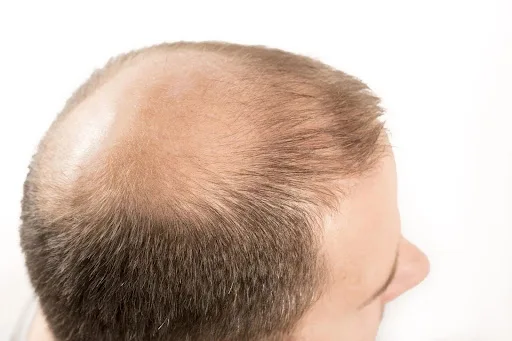
Hair loss is far more common than most people realize. According to Medihair, around 85% of men and 33% of women will face hair loss at some point in their lives, with male pattern baldness (androgenetic alopecia) accounting for approximately 95% of male hair loss cases. The timeline can be surprisingly early—more than 65% of American men experience varying degrees of hair loss by age thirty-five, and by age fifty, that number jumps to around 85%.
Meanwhile, millions more struggle with chronic follicle infections like hidradenitis suppurativa, pilonidal cysts, and recurring abscesses that cause persistent pain and significantly impact quality of life.
Whether you’re experiencing genetic hair loss or you’re dealing with recurring follicle infections, hair follicle surgery may offer the permanent solution you’ve been searching for. This comprehensive guide explores everything you need to know. You’ll discover the different surgical techniques available, what to expect during recovery, realistic cost ranges, and how to determine which approach is right for your unique situation.
What is Hair Follicle Surgery?
Hair follicle surgery encompasses procedures that address medical problems or enhance the appearance of your hair follicles. These surgical solutions fall into two distinct categories:
Removal Surgeries
Removal surgeries address problematic hair follicles that have become infected, ingrown, or are causing painful cysts. These procedures help relieve chronic discomfort, prevent recurring infections, and reduce scarring that impacts your quality of life.
In conditions like hidradenitis suppurativa, surgery may also involve reconstructive steps to restore your appearance while eliminating the source of chronic infection.
Key characteristics:
- Eliminates diseased or infected follicles permanently
- Stops hair growth in the treated area
- Provides medical relief rather than cosmetic enhancement
- Shorter recovery period, typically performed in dermatology or surgical settings
Replacement Surgeries
Replacement surgeries move healthy hair follicles from donor areas to thinning or balding regions, restoring natural growth on your scalp, beard, eyebrows, or other areas. By combining advanced surgical techniques with careful aesthetic planning, these procedures provide personalized, natural-looking restoration tailored to your unique needs and facial features.
Key characteristics:
- Restores permanent hair growth in bald or thinning areas
- Produces natural-looking results that blend seamlessly
- Cosmetically focused with life-changing confidence benefits
- Longer healing process with gradual, progressive results over 12-18 months
Common Reasons for Hair Follicle Surgery
Understanding why hair follicle surgery is performed helps you recognize whether it might be the right solution for your situation. Here are the most common medical and cosmetic reasons patients seek these procedures:
Medical Reasons for Removal
- Chronic folliculitis – Persistent follicle infection that doesn’t respond to antibiotics
- Pilonidal cysts – Painful collections of hair and debris that form cysts, often in the tailbone area
- Hidradenitis suppurativa – Chronic inflammatory condition causing painful lumps and abscesses in skin folds
- Recurrent abscesses – Repeated infections or severe ingrown hairs that won’t heal
- Follicular tumors – Abnormal growths requiring surgical removal
Cosmetic Reasons for Replacement
- Male or female pattern baldness – Hereditary hair loss affecting the scalp
- Traumatic hair loss – Permanent hair loss from injuries, burns, or accidents
- Scarring alopecia – Hair loss caused by scarring conditions
- Eyebrow, eyelash, beard, or mustache restoration – Enhancing facial features
- Hairline lowering – Creating a more balanced facial appearance
Types of Hair Follicle Surgery
Every hair restoration journey is unique, which is why we offer several surgical approaches to meet your individual needs. The best option for you depends on your restoration goals, the quality and quantity of available donor hair, your lifestyle, and how comfortable you are with different types of scarring.
Here’s what you need to know about each technique:
Follicular Unit Transplantation (FUT)
Often called “strip harvesting,” FUT involves carefully removing a narrow strip of scalp from the donor area—typically the back of your head where hair grows most densely. Our surgical team then meticulously dissects this strip under a microscope to isolate individual follicular units before transplanting them to the areas experiencing hair loss.
While FUT does leave a thin linear scar that can be easily concealed by surrounding hair, it allows us to harvest a large number of grafts efficiently in a single session—making it ideal for patients who need significant coverage.
Follicular Unit Extraction (FUE)
FUE takes a different approach by extracting individual follicular units one at a time using a specialized micro-punch tool. This method leaves only tiny, scattered dot scars that are virtually undetectable, even with very short hairstyles.
While the procedure requires more time and precision, many patients prefer FUE for its minimal scarring and faster recovery. It’s an excellent choice if you like to wear your hair short or simply want the most discreet results possible.
Direct Hair Implantation (DHI)
DHI is an advanced variation of FUE that takes precision to the next level. After extracting each follicular unit, our team immediately implants it using a specialized pen-like device called a Choi Implanter.
This tool gives us exceptional control over the angle, direction, and depth of each graft—resulting in remarkably natural-looking hairlines and density. Because there’s minimal time between extraction and implantation, follicles spend less time outside the body, which may improve graft survival rates.
Robotic Hair Transplantation
Technology continues to enhance the precision of hair restoration. Robotic-assisted FUE uses advanced imaging and artificial intelligence to identify and extract the healthiest follicular units with remarkable accuracy and consistency.
This computer-guided approach can reduce human error and fatigue during lengthy procedures, potentially improving overall outcomes while maintaining the natural randomness essential for authentic results.
Body Hair Transplantation
For patients with limited scalp donor hair—whether due to extensive hair loss or previous surgeries—body hair transplantation offers an alternative source of grafts. We can carefully harvest follicles from areas like your chest, back, arms, or legs to supplement or replace traditional scalp donor hair.
While body hair has different characteristics than scalp hair (such as texture and growth cycle), it can still provide valuable coverage, especially for adding density or filling in specific areas.
How to Prepare for Your Hair Transplant
Your hair restoration journey begins with a comprehensive consultation where we’ll evaluate your unique hair loss pattern, assess your donor hair quality and scalp condition, and discuss your goals, medical history, previous treatments, and lifestyle factors that may impact your results.
Together, we’ll design a new hairline that complements your facial features, age, and natural hair patterns while honoring your aesthetic preferences. We may order blood tests to ensure optimal healing and review any medications that need adjustment before your procedure. You’ll leave with a clear understanding of the number of grafts required, a detailed cost breakdown, and realistic expectations for your timeline to full results—so you can move forward with confidence.
The Hair Follicle Removal Surgery Procedure
Pre-Operative Assessment and Preparation
Your surgeon will examine the affected area and review your complete medical history. Depending on your case, imaging may be ordered. We’ll also discuss anesthesia options to ensure your comfort throughout the procedure.
The Surgical Process
- Anesthesia – Local, regional, or general anesthesia is administered based on the extent of your procedure.
- Incision – A precise scalpel incision is made around the infected follicle(s) and surrounding tissue.
- Excision – Diseased tissue is carefully removed to prevent recurrence.
- Hemostasis – Bleeding is controlled through cauterization or suturing.
- Wound Closure – Depending on the size and contamination level, the wound may be sutured closed, left open to heal naturally, closed after a delay, or reconstructed with grafts or flaps.
- Dressing – Sterile dressings are applied to protect the surgical site.
Duration: Simple excisions take 15-30 minutes. Complex removals may require 1-3 hours.
Steps Involved in Hair Follicle Replacement Surgery
Pre-Operative Preparation and Donor Harvesting
Your hair and scalp are thoroughly cleaned. We’ll take reference photos and review your final hairline design together. Local anesthesia is then administered for your comfort.
Donor Harvesting (1-4 hours)
- FUT Method: A strip of scalp is carefully removed from the donor area. The wound is sutured, and the strip is dissected into individual follicular units under magnification.
- FUE Method: Individual follicles are extracted one by one using a specialized micro-punch tool. Each graft is preserved in a nourishing solution until implantation.
Recipient Site Creation (1-2 hours)
Tiny incisions are made at precise angles that match your natural hair growth pattern. We carefully plan the density and distribution to ensure results that look completely natural.
Graft Placement (2-4 hours)
Each follicular unit is meticulously placed by hand. Single-hair grafts create a soft, natural hairline. Multi-hair grafts are positioned behind the hairline to build density and fullness.
Post-Procedure Care
The surgical areas are gently cleaned. Antibiotic ointment is applied to promote healing. Protective dressings are placed, and you’ll receive detailed aftercare instructions before leaving.
Total Time: Smaller procedures take 4-6 hours. Extensive procedures may require 8-10 hours.
Risks and Possible Complications
All surgical procedures carry some degree of risk. Understanding potential complications helps you make informed decisions and prepare for proper aftercare. Your individual risk level depends on the specific procedure and your unique health factors.
Common to All Procedures
- Infection (1-5% risk)
- Bleeding and scarring
- Pain and discomfort during recovery
- Temporary numbness or nerve sensitivity
- Allergic reactions to medications or anesthesia
Removal Surgery Specific
- Incomplete removal requiring follow-up procedures
- Wound separation before complete healing
- Chronic wounds or functional impairment in severe cases
Replacement Surgery Specific
- Poor graft survival (5-15% of grafts may not take)
- Shock loss (temporary shedding of surrounding hair)
- Unnatural appearance from improper technique or planning
- Cyst formation at recipient sites
- Recipient site tissue necrosis (rare)
- Donor area depletion with repeated procedures
Your safety is our priority. During your consultation, we’ll discuss your specific risk factors and the steps we take to minimize complications and optimize your results.
What to Expect After Hair Follicle Surgery
Recovery looks different depending on whether you’ve had removal or replacement surgery. With proper care, over 95% of patients experience smooth healing without complications. Understanding your healing timeline helps you set realistic expectations and plan accordingly.
After Removal Surgery
Days 1-2: Pain is managed with prescribed medication. Numbness gradually fades. Some minor oozing from the wound is normal.
Week 1: Swelling typically peaks around days 2-3. Sutures are removed between days 5-14. Most patients return to work within 3-7 days.
Weeks 2-4: Your wound continues healing. Activity restrictions are gradually lifted as you recover.
Months 1-6: The scar matures and fades over time, becoming less noticeable.
After Replacement Surgery
Days 1-3: Expect mild discomfort and forehead swelling that peaks during this period. Crusting forms around the grafts. Sleep with your head elevated to minimize swelling.
Days 4-7: Swelling begins to subside. You can gently spray water on the treated areas. If you had FUT, sutures are removed during this time.
Weeks 2-8: Shock loss occurs—transplanted hairs shed naturally (this is completely normal and expected). Crusts disappear. You can resume gentle shampooing.
Months 3-4: Your new hair growth begins to emerge.
Months 6-9: You’ll see 40-60% of your visible results.
Months 10-12: Density reaches 70-80% of the final outcome.
Months 12-18: Your final results fully mature, revealing the complete transformation.
How to Manage Infection Risks and Signs to Watch For
Proper aftercare significantly reduces infection risk and promotes optimal healing. Studies show that patients who follow post-operative instructions carefully have infection rates below 2%. Here’s what you need to know.
Prevention Steps
- Take all prescribed antibiotics exactly as directed
- Keep surgical sites clean following our specific instructions
- Avoid touching, picking, or scratching the treated areas
- No swimming, hot tubs, or soaking for 2-4 weeks
Call Your Doctor Immediately If You Experience
- Increasing redness, warmth, or swelling after day 3
- Pus or colored discharge from the wound
- Red streaks extending from the surgical site
- Fever above 100.4°F (38°C)
- Severe or worsening pain
- Wound opening or separation
Early intervention prevents complications. When in doubt, reach out to our team.
Tips for Proper Healing and Hair Follicle Care
Following these guidelines supports your body’s natural healing process and helps you achieve the best possible results. Patients who adhere to post-operative care instructions see graft survival rates of 85-95%.
Wound Care Essentials
- Keep dressings completely dry for the first 48 hours
- Follow our specific washing instructions carefully
- Apply prescribed ointments as directed
- Protect treated areas from direct sun exposure
Activity Restrictions
Week 1: Avoid strenuous exercise, heavy lifting, bending over, and alcohol consumption.
Weeks 2-4: Light walking is encouraged. Gradually increase your activity level as you feel comfortable.
After Week 4: Resume normal exercise gradually. You can return to full activities by 6-8 weeks.
Nutrition for Optimal Healing
- Eat a high-protein diet to support tissue repair
- Include vitamin C-rich foods for collagen production
- Add zinc sources to promote wound healing
- Stay well-hydrated with 8-10 glasses of water daily
Hair Care After Transplant
- Use only gentle, sulfate-free shampoos
- Avoid heat styling tools and hair coloring for 4-6 weeks
- Don’t wear tight hairstyles that pull on grafts
- Consider minoxidil or finasteride for long-term maintenance (discuss with your surgeon)
Cost of Hair Follicle Surgery
The cost of hair follicle surgery varies widely depending on several key factors. Your final price is influenced by the type and extent of your procedure, the geographic location and type of facility, your surgeon’s expertise and reputation, and the specific technique used—FUE typically costs more than FUT due to its precision and time-intensive nature.
Additional considerations include the type of anesthesia required, any complementary treatments, and whether follow-up care is included in your surgical package.
| Procedure Type | Estimated Cost Range |
| Removal Procedures | |
| Minor follicle excision | $200–$800 |
| Pilonidal cyst excision | $3,000–$10,000 |
| Hidradenitis suppurativa surgery | $2,000–$20,000 |
| Abscess drainage | $500–$3,000 |
| Laser hair removal (full course) | $1,000–$4,000 |
| Replacement Procedures | |
| FUT (1,500–2,500 grafts) | $4,500–$17,500 |
| FUE (1,500–2,500 grafts) | $7,500–$25,000 |
| Robotic transplant | $8,000–$30,000 |
| Eyebrow transplant | $3,000–$8,000 |
| Beard/mustache transplant | $5,000–$15,000 |
| Medical tourism options | $1,500–$6,000 |
Costs vary based on geographic location, surgeon experience, and individual case complexity.
During your consultation at Inside Out Medical Center, we’ll provide a transparent, itemized cost breakdown tailored to your unique restoration goals.
Can You Get Another Hair Transplant?
Yes, additional transplants are often possible and sometimes necessary. You may need a follow-up procedure to increase density in previously transplanted areas or address progressive hair loss in untreated zones. Additional sessions can also refine your hairline for a more natural appearance or expand coverage as hair loss continues with age.
Moving Forward with Confidence
Whether you’re dealing with chronic follicle infections that impact your daily comfort or experiencing hair loss that affects your confidence, professional evaluation is the first step toward lasting solutions.
A thorough consultation with a qualified specialist helps you understand exactly what’s right for your unique situation—and sets you on the path toward healthier skin, fuller hair, and renewed self-assurance.
Ready to explore your options? Contact us and schedule a consultation at Inside Out Medical Center today. Let’s discuss how we can help you achieve the results you deserve.
Talk to a physician
Curious if you're a candidate?
Book a private consultation with Dr. Hernandez. $200 consultation deposit — credited to your treatment.
Related reading
More from our hair restoration insights
Hair Implant Before and After: Real Results & Timeline Explained
See real hair implant before and after results and learn the full hair transplant before and after timeline. D…
Is Hair Transplant Permanent? What to Expect
Is hair transplant permanent? Discover how long results last, what affects longevity, and what Fresno patients…
Best Age for Hair Implant Surgery | When Is the Right Time?
Wondering about the best age for Hair Implant Surgery? Learn when it’s safe, effective, and how age impacts re…