
Insights · Hair Restoration
What Is a Hair Graft? Single vs Multi-Graft Hairline Transplant Explained
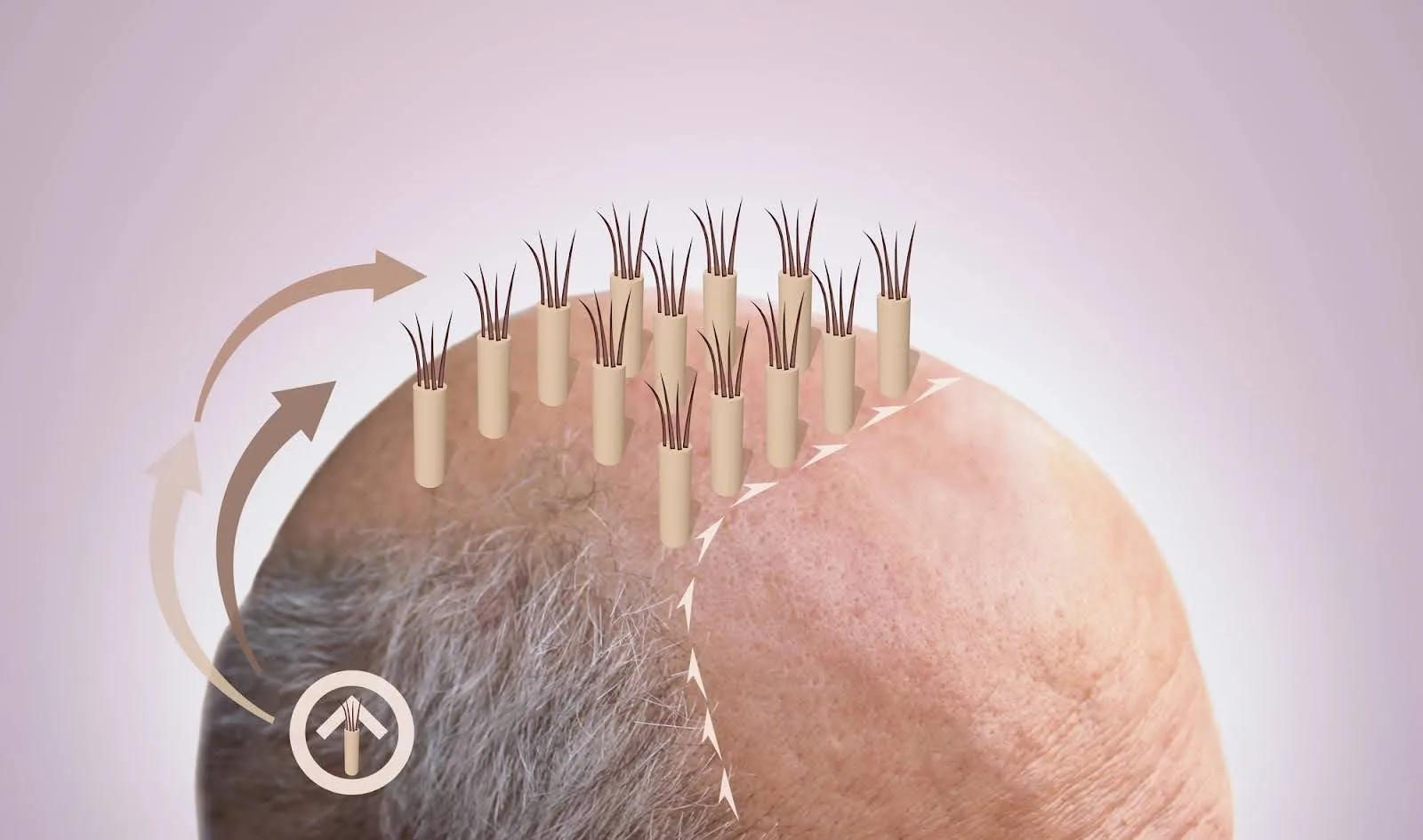
Hair loss often starts subtly. A widening part. A thinning hairline. Extra strands on the pillow. For many people, hair transplant surgery becomes part of the conversation once non-surgical treatments stop delivering results. At that point, one term shows up everywhere: hair graft.
Patients often hear numbers like 1,500 grafts or 3,000 grafts without fully understanding what that means. A graft is not the same as a hair. It is a living structure, and how it is harvested, handled, and placed determines how natural your results look and how long they last.
This guide explains what a hair graft is, how single and multi-graft transplants differ, and how graft choice affects density, hairline design, and long-term growth.
What a Hair Graft Actually Is and Why It Matters
A hair graft is a small unit of scalp tissue that contains one or more hair follicles. Each graft is taken from a donor area, usually the back or sides of the scalp, where hair is genetically resistant to thinning.
When people ask for a clear hair graft explanation, this detail often gets missed. A graft is not just hair. It includes:
- Hair follicles
- Sebaceous glands
- Surrounding skin and connective tissue
This structure protects the follicles during extraction and re-implantation. Understanding what constitutes a hair graft matters because graft survival depends on keeping this unit intact from start to finish.
How Many Hairs Are in One Graft?
The answer varies:
- Single-hair grafts contain one follicle
- Double grafts contain two follicles
- Triple grafts contain three follicles
- Some grafts contain four hairs, though these are less common
This range explains why the hair transplant graft count often sounds confusing. Two patients who receive the same number of grafts can end up with different hair density depending on how many hairs each graft contains.
Single-Hair Grafts vs Multi-Hair Grafts Explained Clearly
Understanding the difference between single and multi-graft hair transplant techniques helps patients understand results and density planning.
Single-hair grafts
Single-hair grafts contain one follicle and one hair. Surgeons place them along the frontal hairline, temples, and areas where softness is most important.
Benefits:
- Creates a natural, feathered hairline
- Prevents a pluggy or harsh appearance
- Allows fine control of angles and direction
Single grafts do not create density on their own. They create realism. Surgeons often mix them with multi-hair grafts behind the hairline.
Multi-hair grafts
Multi-hair grafts contain two, three, or sometimes four hairs. These grafts go behind the hairline and into the mid-scalp or crown.
Benefits:
- Builds visible density with fewer incisions
- Covers larger areas efficiently
- Improves overall fullness
When patients ask if multi-graft transplants are better, the answer depends on placement. Multi-grafts are not better everywhere. They work best when combined with single-hair grafts for a balanced, natural look.
How Surgeons Decide Graft Count for Natural Density
Surgeons calculate it based on the following factors:
- Size of the thinning area
- Natural hair thickness and curl pattern
- Desired visual density
- Strength of the donor supply
In general, restoring a natural hairline may require about 800 to 1,500 grafts. Mid-scalp coverage typically ranges from 1,500 to 3,000 grafts, while crown restoration typically requires 1,000 to 2,500 grafts, depending on the pattern and swirl. A full head restoration may require 4,000 grafts or more, often completed in staged sessions to protect graft survival and donor health.
Graft Harvesting Methods and Why They Matter
Hair graft survival starts with how grafts are harvested. Modern hair transplant surgery relies on two primary methods, each with specific advantages depending on the patient’s hair loss pattern and donor supply.
FUE harvesting
Follicular Unit Extraction removes individual follicular units using a small circular punch. Each graft is taken one at a time, allowing precise selection and minimal trauma to surrounding tissue. Healing is typically faster, and the donor area shows only small dot scars that are difficult to detect once healed. This method allows patients to wear shorter hairstyles without visible scarring.
FUT harvesting
Follicular Unit Transplantation involves removing a thin strip of scalp from the donor area. Technicians then dissect this strip into individual grafts under magnification. FUT can produce more grafts in a single session, which may benefit patients with more advanced hair loss who require extensive coverage. The tradeoff is a linear scar that must be managed with proper closure techniques.
Today, many clinics prioritize FUE because it suits a wide range of patients, supports flexible graft count planning, and offers easier recovery while maintaining strong graft survival.
Hair Graft Anatomy and Survival Rates
Hair graft anatomy determines how well grafts survive. Follicles must remain intact, hydrated, and undamaged during surgery.
According to the National Library of Medicine, healthy graft survival rates range from 90 to 95 percent when surgery follows proper technique and aftercare.
Factors that support survival:
- Minimal handling
- Short time outside the body
- Proper depth and angle during placement
- Patient compliance with aftercare
Why a Hair Graft Consultation Matters
A proper hair graft consultation answers questions, evaluates donor supply, and builds a safe plan. It also helps patients avoid unrealistic expectations. During consultation, surgeons assess:
- Hair loss pattern
- Donor density
- Medical history
- Long-term hair loss progression
Patients looking for the best hair graft surgeon should focus on the surgeon’s planning ability and medical oversight, not on marketing claims.
Clinical Approach to Hair Transplant at Inside Out Medical Center
Inside Out Medical Center provides physician-led hair restoration care for men and women throughout the Central Valley. Our focus is on precise graft planning, safe surgical technique, and results that remain natural over time. Every treatment plan starts with a detailed evaluation of hair loss pattern, donor density, scalp health, and long-term hair retention.
We specialize in FUE hair transplant surgery, which allows for individual graft harvesting with minimal scarring and faster recovery. During consultation, patients receive a clear explanation of graft anatomy, expected graft count, and realistic density outcomes based on their hair characteristics. Diagnostic tools and visual assessments help guide placement strategy so grafts are distributed in a way that supports both appearance and long-term graft survival.
Care does not end after surgery. Patients receive structured follow-up, recovery guidance, and monitoring to support healthy graft growth and reduce preventable complications. As a dedicated hair transplant clinic in Fresno, our goal is to deliver consistent results through careful planning, medical oversight, and patient education at every stage of treatment.
Making the Right Hair Graft Decision Starts With a Plan
A well-planned hair transplant is not about chasing the highest graft count or copying someone else’s results. It is about using the right type of graft in the right location and planning for how your hair will look years from now, not just months after surgery.
At Inside Out Medical Center, we take a measured, medical-first approach to hair restoration. We focus on long-term growth, healthy graft survival, and natural density that fits your facial structure and hair characteristics. Every plan starts with understanding your donor supply and setting realistic expectations before a single graft is placed.
If you are thinking about restoring your hair, schedule a consultation with us. We will walk you through your options, answer your questions honestly, and help you decide on a path that makes sense for you.
Frequently Asked Questions
Can hair grafts fail after a transplant?
Yes, graft failure is possible, but it is uncommon when surgery follows proper medical standards. Grafts may fail due to poor handling during harvesting, inadequate blood supply at the recipient site, smoking during recovery, or ignoring post-procedure instructions. When performed by a qualified medical team, long-term graft survival rates remain very high.
Does a higher graft count always mean better results?
No. Higher graft counts do not automatically lead to better outcomes. Natural results depend on strategic placement, proper spacing, and donor area preservation. Placing too many grafts too close together can reduce blood flow and lower survival rates. A balanced plan produces fuller and more natural-looking hair over time.
Do hair grafts grow at the same rate as natural hair?
Once fully established, transplanted hair grows at the same rate as natural hair from the donor area. Early growth may appear uneven during the first several months, but this normalizes as follicles complete their growth cycle. After the first year, transplanted hair behaves like the rest of your natural hair.
Can hair grafts be damaged by heat, hats, or styling products?
After the initial healing period, grafts are durable and can tolerate normal daily activities. During the first two weeks, excessive heat, tight hats, and harsh products should be avoided. Once healing is complete, hair grafts can be washed, styled, and cut without special restrictions.
Is it possible to run out of donor grafts?
Yes. The donor area contains a limited number of healthy follicles. This is why long-term planning matters. A responsible surgeon designs a transplant that restores current hair loss while preserving grafts for future needs. Poor planning can exhaust the donor supply and limit future options.
Talk to a physician
Curious if you're a candidate?
Book a private consultation with Dr. Hernandez. $200 consultation deposit — credited to your treatment.
Related reading
More from our hair restoration insights
Hair Implant Before and After: Real Results & Timeline Explained
See real hair implant before and after results and learn the full hair transplant before and after timeline. D…
Is Hair Transplant Permanent? What to Expect
Is hair transplant permanent? Discover how long results last, what affects longevity, and what Fresno patients…
Best Age for Hair Implant Surgery | When Is the Right Time?
Wondering about the best age for Hair Implant Surgery? Learn when it’s safe, effective, and how age impacts re…