
Insights · Hair Restoration
Hair Transplant Cost 2025: USA Pricing Guide
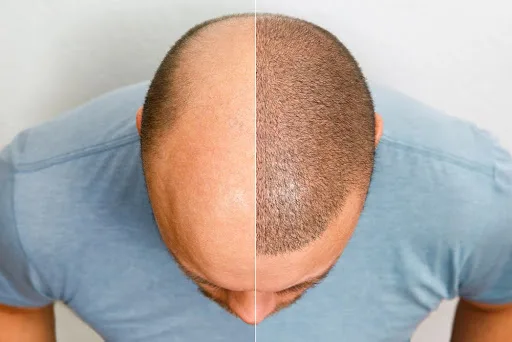
In 2025, hair transplant surgery remains the most reliable method of hair restoration, providing long-term, natural results. Pricing varies depending on graft count, technique (FUT or FUE), surgeon experience, and location. Understanding these costs upfront helps you plan your budget, consider financing options, and avoid unexpected expenses.
This guide breaks down current pricing, regional differences, cost per graft, and additional services such as PRP therapy. It also outlines financing options and offers practical tips for choosing a qualified, board-certified surgeon.
What Is a Hair Transplant?
Hair transplant surgery involves transferring hair follicles from donor areas, typically the back and sides of the scalp, to balding or thinning areas. These transplanted follicles are genetically resistant to hair loss, providing permanent results. According to Forhers, approximately 40% of women will experience visible hair thinning by age 50.
Common Reasons for Hair Loss Treated by Transplants
- Androgenetic Alopecia: the most common reason for hair transplantation. Men typically experience receding hairlines and scalp thinning, whereas women usually develop diffuse thinning.
- Traction Alopecia: Damage from tight hairstyles.
- Scarring: From injuries, burns, or previous surgeries.
- Facial Hair Restoration: Eyebrows, beards, or moustaches.
Who Is a Good Candidate?
- Sufficient donor hair is available.
- Realistic expectations (results take 6-12 months).
- Stable hair loss pattern.
- Good overall health.
- Patterns are typically established at ages 25-30 or older.
Consultation with a qualified specialist determines candidacy.
Types of Hair Transplants and How They Affect Cost
Hair transplant methods vary in technique, recovery time, and cost. Understanding the differences helps you choose the option that best fits your needs and budget.
Follicular Unit Transplantation (FUT)
FUT removes a strip of scalp from the donor area, dissects it into individual follicular units under a microscope, and then implants them into the recipient areas.
Pros: Lower cost ($3-$6 per graft), more grafts harvested in one session, higher survival rates, and shorter procedure time.
Cons: Linear scar, extended recovery time, increased discomfort, unsuitable for short hairstyles.
Follicular Unit Extraction (FUE)
FUE extracts individual follicular units directly from the donor area using a specialized punch tool, then implants them into recipient sites.
Pros: no linear scars, faster recovery, less discomfort, compatibility with short hairstyles, and the ability to harvest body hair.
Cons: Higher cost ($5-$10 per graft), longer procedure time, more skill required, and potential for faster depletion of the donor area.
Emerging Techniques
- Direct Hair Implantation (DHI): Uses the Choi Implanter Pen for simultaneous site creation and graft placement. More precise control; 10-20% higher cost than FUE.
- Robotic-Assisted FUE: Robotic systems (like ARTAS) assist with graft harvesting. Costs $7-$12/graft.
- Sapphire FUE: Uses sapphire blades instead of steel for recipient sites. Adds $500 to $1,500 to the standard FUE cost.
Average Hair Transplant Cost in the USA (2025 Data)
The procedure, quantity of grafts, and location all affect the cost of hair transplants in 2025.
- FUT (Strip Method): $3–$6 per graft | $4,000–$10,000 total | 2,000–2,500 grafts: $6,000–$8,000.
- FUE: $5–$10 per graft | $7,000–$18,000 total | 2,000–2,500 grafts: $10,000–$15,000.
- Advanced Techniques (DHI, Robotic, Sapphire): $7–$12+ per graft | $10,000–$25,000+ total.
Graft-Based Estimates:
- Minor loss (800–1,500 grafts): FUT $2,400–$9,000 | FUE $4,000–$15,000.
- Moderate loss (2,000–3,000 grafts): FUT $6,000–$18,000 | FUE $10,000–$30,000.
- Advanced loss (3,500–5,000+ grafts): FUT $10,500–$30,000 | FUE $17,500–$50,000+
- Mega sessions (5,000–6,000+ grafts): FUT $15,000–$36,000 | FUE $25,000–$60,000+
State-by-State Cost Variations
| Region | Avg Cost/Graft (FUE) | Avg Total |
| Northeast (NY, NJ, MA) | $7-$12 | $14,000-$24,000 |
| West Coast (CA, WA, OR) | $6-$10 | $12,000-$20,000 |
| Southeast (FL, GA, NC) | $5-$8 | $10,000-$16,000 |
| Midwest (IL, OH, MI) | $5-$8 | $10,000-$16,000 |
| Southwest (TX, AZ) | $5-$7 | $10,000-$14,000 |
| Mountain West (CO, UT) | $6-$9 | $12,000-$18,000 |
California Context: Fresno and Central California typically range from $8,000 to $18,000 for moderate FUE cases, more competitive than coastal metros.
Additional Cost Factors
- Surgeon Expertise: Board-certified surgeons with extensive experience charge $8-$12/graft but deliver superior outcomes.
- Anesthesia: Local with oral sedation typically included. IV sedation costs between $500 and $1,500.
- Facility Fees: Accredited surgical centers may add $1,000-$3,000, but ensure safety standards.
- Post-Operative Care: Quality clinics include follow-ups, medications, and monitoring. Separate charges can add $500-$1,000.
- PRP Therapy: Often recommended to enhance results. $500 to $1,500 more per session.
- Medications: Post-op prescriptions cost $50-$200. Long-term finasteride/minoxidil adds $20-$80 monthly.
How Much Does a Hair Transplant Cost by Graft Count?
The cost of a hair transplant increases with the number of grafts, so estimating the cost of the whole procedure is made easier by knowing the price per graft.
1,500 Grafts
- Total Cost: FUT: $4,500-$9,000 | FUE: $7,500-$15,000
- Coverage: ~3,000-3,750 hairs. Suitable for receding hairlines, temples, small crown spots, or adding density to thinning areas.
- Results: Natural hairline with moderate density; noticeable improvement for early-stage loss.
- Best For: Norwood Scale 2-3 or mild diffuse thinning.
3,000 Grafts
- Total Cost: FUT: $9,000-$18,000 | FUE: $15,000-$30,000
- Coverage: ~6,000-7,500 hairs. Hairline reconstruction, temples, frontal third, and moderate crown coverage.
- Results: Significant, natural-looking transformation; most common graft count.
- Best For: Norwood Scale 4-5 (moderate to advanced frontal and crown thinning).
5,000 Grafts
- Total Cost: FUT: $15,000-$30,000 | FUE: $25,000-$50,000
- Coverage: ~10,000-12,500 hairs. Extensive coverage from hairline to crown with maximum density.
- Results: Dramatic, natural-looking transformation.
- Best For: Norwood Scale 6-7 (advanced balding) with sufficient donor supply.
- Note: Mega sessions require 8-12 hours and exceptional skill; some patients need two sessions 8-12 months apart.
Why Graft Count Determines Price
- Labor intensity: Each graft requires extraction, preparation, and precise placement.
- Team size: Large sessions need multiple technicians for 8-12 hours.
- Skill requirements: Higher counts demand expertise in donor management and natural patterning.
- Time investment: 1,500 grafts = 4-6 hours; 5,000 grafts = 10-12 hours.
Financing and Insurance Coverage
Although hair transplant surgery is an expensive procedure, there are ways to make it more affordable.
- Insurance Coverage Reality
Most insurance plans, including Medicare, classify hair transplants as elective cosmetic procedures and do not cover them.
- Rare Exceptions
Partial coverage is possible only in specific, medically justified cases.
- Medical Necessity
Insurance may approve claims for hair loss caused by burns, traumatic injuries, or required medical treatments if the medical, not cosmetic, need is documented.
- Psychological Impact
Severe, clinically diagnosed psychological distress may support a claim, though approval is rare.
- Reconstructive Surgery
Limited coverage may be available for hair transplants performed as part of reconstructive surgery following medical procedures or accidents.
- Documentation Requirements
Physician letters, mental health assessments, pictures, and prior authorization are just a few of the many documents needed for approval.
- Realistic Expectations
Be ready to pay with your own money. Insurance approval is rare, causing treatment delays.
Available Financing Options
Several options can help manage the cost of hair restoration surgery:
- Medical Credit Cards
Promotional financing for 6 to 24 months is available from companies like CareCredit, United Medical Credit, and Alphaeon. Interest does not apply if the loan is fully repaid. Standard APR (17–27%) applies after the promotion. Approval frequently requires a credit score of 600 or higher.
- Prosper Healthcare Lending
Loans from $1,000 to $40,000 with 24–84 month terms, fixed interest rates based on credit, and no prepayment penalties.
- Personal Loans
Bank or credit union loans with 6–36% APR, 2–7 year terms, and fixed monthly payments. For customers with good credit, rates may be lower.
- In-House Clinic Financing
Flexible clinic payment plans ranging from 12 to 24 months, with easier approval and occasional promotional rates.
- Credit Cards
Can be used for payment, but the high interest rate (15-25%) makes them less cost-effective unless paid off quickly.
- HSA/FSA Accounts
Some plans allow coverage if hair restoration is medically necessary. Consult your administrator for confirmation.
- Home Equity Loans/Lines of Credit
Lower interest options using your home as collateral; interest may be tax-deductible.
What to Expect in a Hair Transplant Procedure
Understanding the hair transplant process helps set realistic expectations and prepare you for what lies ahead.
Step-by-Step Overview: Consultation to Recovery
Initial Consultation (Week 1-2 Before Surgery):
- Use tools like HairMetrix to examine hair loss patterns.
- Discuss goals and realistic outcomes.
- Determine graft count and select technique (FUE or FUT).
- Review medical history and medications.
- Take photos for documentation.
- Receive a full cost breakdown and pre-op instructions.
Pre-Operative Preparation (1-2 Weeks Before):
- Stop blood-thinning medications or supplements.
- Avoid alcohol for 48 hours before surgery.
- Arrange transportation home.
- Fill prescriptions.
- Plan time off work (7–10 days).
- Wash hair the morning of surgery.
Day of Surgery:
Hour 1: Preparation
- Complete paperwork and photos.
- Mark the donor and recipient areas.
- Cut the donor area (full shave for FUE, a partial shave for FUT).
- Administer local anesthesia.
Hours 2-6: Graft Harvesting
- FUT: Remove a strip of scalp; close the wound with sutures or staples.
- FUE: Extract individual follicles with a punch tool.
- Prepare and sort grafts by size.
- Bandage the donor area.
Hours 4-8: Recipient Site Creation and Graft Placement
- Create tiny incisions based on natural hair patterns.
- Place grafts with the correct angle, direction, and depth.
- Use 1-hair grafts for the hairline and 2–4 hair grafts behind it.
Hours 8-9: Completion
- Clean and photograph treated areas.
- Review post-op instructions.
- Provide medications and care products.
- Schedule follow-up appointments.
- The patient is discharged.
First Week After Surgery:
Days 1-2:
- Expect mild swelling and discomfort.
- The donor area may feel more sore.
- Sleep with your head elevated.
- Do not touch or wash grafts.
- Apply ice to the forehead.
- Take medications as directed.
Days 3-5:
- Attend the first follow-up appointment.
- Perform the first gentle hair wash.
- Scabs begin forming.
- Swelling often peaks.
- Light activity only.
Days 5-7:
- Remove sutures/staples (FUT only).
- Begin daily gentle washing.
- Scabs shed naturally.
- Most patients return to work.
Months 2-4:
- The transplanted area may look thin or patchy.
- New hair begins growing, initially very fine.
- Growth is gradual.
Months 5-8:
- New hair becomes more visible and thicker.
- Texture improves.
- Significant results by month 6.
- Normal styling is possible.
Months 9-12:
- Results continue to refine.
- Most growth is visible by month 9.
- Full results by 12–18 months.
- Attend the final assessment.
Typical Side Effects and Recovery Tips
After hair restoration surgery, patients may experience temporary swelling of the forehead and eyes (resolves in about a week), mild to moderate pain managed with medication, and numbness in donor or recipient areas lasting weeks to months.
Itching is common; avoid scratching. Scabs form and naturally shed within 2 to 3 weeks. Shock loss of transplanted hair may occur around 2 to 3 weeks, while temporary thinning of nearby hair usually resolves in 3 to 6 months.
Bruising, mild infection, folliculitis (which can be treated with antibiotics), and slight bleeding that usually stops with light pressure are less frequent side effects.
Recovery Tips for Best Results:
- Follow Instructions Precisely: Your surgeon’s post-operative protocol is designed to maximize graft survival. Follow it exactly.
- Sleep Elevated: To reduce swelling, keep your head raised at a 45-degree angle for the first three to five nights.
- Avoid Physical Strain: No heavy lifting, bending over, or strenuous exercise for 2 weeks; increased blood pressure can cause bleeding and dislodge grafts.
- Gentle Washing: When cleared to wash (usually day 3-5), use very gentle pressure. The provided special shampoo helps soften scabs without disturbing grafts.
- No Picking: Let scabs shed naturally. Picking can dislodge grafts and affect results.
- Protect from Sun: UV exposure can damage healing tissue and cause hyperpigmentation. Wear a loose hat or use sunscreen after healing is complete.
- Stay Hydrated: Proper hydration supports healing and graft survival.
- Avoid Alcohol and Smoking: Both impair healing and reduce blood flow to grafts. Avoid completely for at least 2 weeks, preferably longer.
- Be Patient with Shock Loss: The temporary shedding of transplanted hair is normal and expected. The follicles remain alive beneath the skin and will produce new hair.
- Attend Follow-Up Appointments: Regular check-ins allow your surgeon to monitor healing and address any concerns early.
How to Choose the Right Clinic and Surgeon
Pick a board-certified dermatologist, plastic surgeon, or facial plastic surgeon with formal hair restoration training (ISHRS/ABHRS). Look for significant experience (500+ cases, years of specialization). Ensure that the surgeon, not the technicians, is in charge of important tasks like creating the incision and planning the hairline.
Key Consultation Questions
Ask about credentials, procedure volume, specialization in hair restoration, and ISHRS/ABHRS membership. Review before and after photos and discuss graft count, technique (FUE vs. FUT), expected results, possible future sessions, costs, and follow-up care. Confirm facility accreditation and safety protocols.
Avoid “Too Good to Be True” Deals
Be cautious of very low prices, unclear qualifications, unrealistic promises, or no real consultation. Cheap clinics can result in poor growth, scarring, and costly revisions because they frequently take shortcuts. Choose quality care the first time.
Invest in Lasting Hair and Confidence
Technique, graft count, surgeon experience, and location all influence hair transplant costs, but quality matters more than price. Choosing a board-certified, experienced surgeon ensures permanent, natural-looking results, with financing options available to fit your budget.
At Inside Out Medical Center, Dr. Hernandez and the team offer advanced FUE procedures, transparent pricing, and personalized care. To assess your hair, review graft needs, and explore treatment and financing options, your path to renewed confidence starts here.
Schedule a free consultation to learn how affordable permanent hair restoration can be when done by the right professionals.
Frequently Asked Questions (FAQ)
1. How long do hair transplants last?
Transplanted follicles are permanent because they come from DHT-resistant areas and will grow like normal hair for life. Non-transplanted hair may continue thinning, so medications and long-term planning help maintain overall density.
2. Is it safe?
Hair transplants are very safe when performed by a board-certified surgeon in an accredited clinic. When appropriate pre- and post-operative care is provided, side effects are minimal and serious complications are uncommon.
3. How much do 3,000 hair grafts cost?
Costs typically range from $9k to $18k for FUT and $15k to $30k for FUE, with advanced FUE reaching $21k to $36k. Prices vary by location and technique, and optional add-ons like PRP or sedation may increase the total.
4. What results can I expect from 2,000 grafts?
Two thousand grafts can restore the hairline and frontal areas for those with moderate hair loss. By 12 months, the majority of patients see complete results; however, some may require more sessions to achieve full coverage.
Talk to a physician
Curious if you're a candidate?
Book a private consultation with Dr. Hernandez. $200 consultation deposit — credited to your treatment.
Related reading
More from our hair restoration insights
Hair Implant Before and After: Real Results & Timeline Explained
See real hair implant before and after results and learn the full hair transplant before and after timeline. D…
Is Hair Transplant Permanent? What to Expect
Is hair transplant permanent? Discover how long results last, what affects longevity, and what Fresno patients…
Best Age for Hair Implant Surgery | When Is the Right Time?
Wondering about the best age for Hair Implant Surgery? Learn when it’s safe, effective, and how age impacts re…