
Insights · Hair Restoration
Hair Transplant: What It Is, How It Works, and Who It’s Best
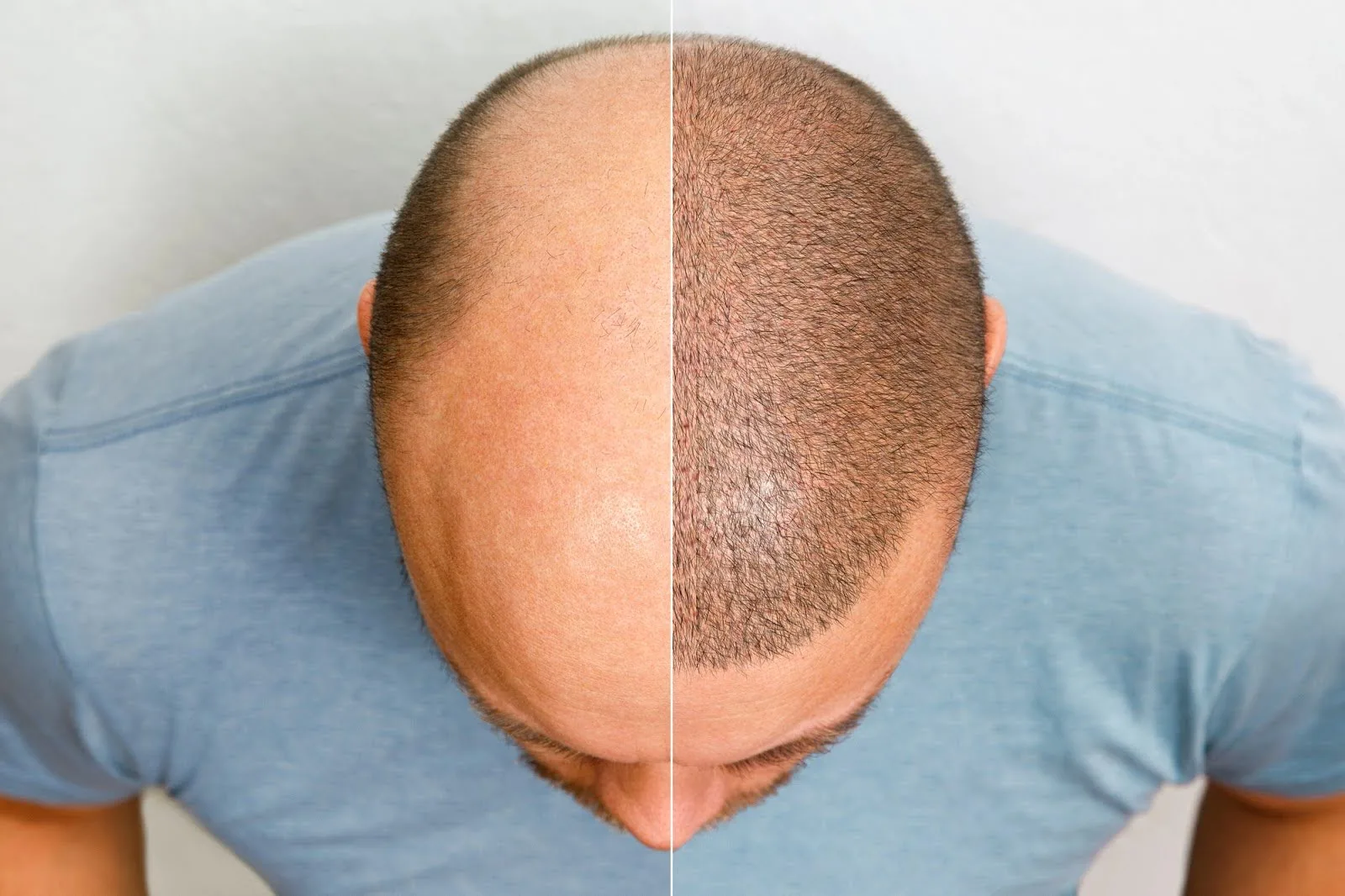
Hair loss affects more than appearance. For many men and women, it changes how they see themselves, how they show up at work, and how confident they feel in everyday life. According to the Cleveland Clinic, more than 80 million Americans experience some form of hair thinning or hair loss. That number continues to grow as genetics, stress, hormonal changes, and medical conditions play a role.
A hair transplant offers a permanent solution when other treatments no longer work. This article explains what a hair transplant is, how the procedure works step by step, and who is most likely to benefit from it. It also covers recovery, alternatives, and common questions so readers can make informed decisions based on facts and realistic outcomes.
What a Hair Transplant Really Is and How It Restores Hair Permanently
A hair transplant is a medical procedure that moves healthy hair follicles from one part of the scalp to areas with thinning or no hair. These follicles usually come from the back or sides of the head, known as the donor area. Hair in these areas is genetically resistant to pattern hair loss.
Once transplanted, the follicles continue to grow hair in their new location for life. This is why hair restoration surgery delivers permanent results rather than temporary coverage. It redistributes your own hair to restore natural density where it has been lost. The texture, growth pattern, and color remain consistent because the hair comes from you.
This approach differs from wigs, sprays, or medications. Those options may help manage hair loss, but they do not replace lost follicles.
Hair Restoration Explained: Surgical vs Non-Surgical Options
Before surgery is considered, many people explore non-surgical hair restoration options. These treatments can slow hair loss or improve hair quality, but they do not regrow hair in areas where follicles are no longer active. Common non-surgical hair restoration options include:
- Prescription medications like finasteride or minoxidil
- Platelet-rich plasma (PRP) therapy
- Medical-grade scalp treatments
- Lifestyle and nutritional support
These methods work best in the early stages of hair thinning. Once hair follicles stop producing hair, surgery becomes the only way to restore density. A hair transplant stands apart because it physically relocates follicles that are programmed to grow hair permanently.
Understanding Hair Transplant Basics Before Surgery
A successful result depends on planning, medical skill, and realistic expectations. Hair transplant basics go beyond placing grafts into the scalp. The procedure must respect natural hair direction, density patterns, and facial balance.
Important fundamentals to learn include:
- Donor hair quality and density
- Size of the thinning area
- Hair texture and curl pattern
- Long-term hair loss progression
This planning stage determines how natural the final outcome looks years down the line.
How Hair Transplant Works From Consultation to Growth
Many patients want a clear hair transplant overview before committing. Here is how the process unfolds from the first visit to visible results.
Step 1: Medical Evaluation and Hair Analysis
Your provider reviews your health history, examines your scalp, and assesses the availability of donor hair. Advanced imaging tools can be used to assess scalp density and health.
Step 2: Designing the Hairline and Treatment Plan
The hairline is mapped based on facial proportions, age, and future hair loss patterns. This step protects against results that look unnatural over time.
Step 3: Harvesting Hair Follicles
Healthy follicles are taken from the donor area using one of two techniques, which we explain later in detail.
Step 4: Graft Preparation
Each follicle is prepared under magnification to keep it intact and viable.
Step 5: Implantation
Follicles are placed at precise angles and depths to match natural growth.
What Happens in a Hair Transplant on Procedure Day
Patients often ask what to expect on the day of surgery. Knowing the hair transplant process step by step helps reduce anxiety.
- The procedure is done under local anesthesia
- Patients remain awake but comfortable
- Breaks are allowed during longer sessions
- No general anesthesia is required
The length of the procedure depends on the number of grafts needed. Most sessions last between four and eight hours.
Stages of Hair Transplant Procedure and Healing
The stages of the hair transplant procedure do not end when surgery is complete. Healing and growth follow a predictable timeline.
- Days 1-7: Mild swelling, redness, and scabbing appear. These resolve with proper aftercare.
- Weeks 2-4: Transplanted hair sheds. This is normal and expected.
- Months 3-4: New hair begins to grow.
- Months 6-9: Density improves and texture becomes more natural.
- Months 12-18: Final results are visible.
How Long Does a Hair Transplant Take and What Affects Timing
It depends on graft count and technique.
- Small sessions may take 3-4 hours
- Larger sessions may take a full day
- Some cases require multiple sessions
Recovery downtime is minimal for most patients. Many return to non-physical work within a few days.
FUE vs FUT Hair Transplant: How the Techniques Compare
One of the most common questions is what type of hair transplant is better. The answer depends on individual needs.
FUE Hair Transplant
Follicular Unit Extraction removes individual follicles using a micro-punch tool. Some of its benefits:
- No linear scar
- Faster healing
- Flexible hairstyle options
FUT Hair Transplant
Follicular Unit Transplantation removes a thin strip of scalp. Here are its benefits:
- Higher graft yield in some cases
- Efficient for extensive hair loss
When comparing FUE vs FUT hair transplant, many patients choose FUE for its minimal scarring and faster recovery. At Inside Out Medical Center, FUE is a primary focus because it supports natural results with less downtime.
Who Is Suitable for a Hair Transplant and Who Is Not
People who are suitable for a hair transplant share several clinical characteristics:
- Predictable or stabilized hair loss pattern: Individuals with androgenetic alopecia, commonly known as male or female pattern hair loss, tend to respond best. This condition follows a recognizable pattern, which allows surgeons to plan graft placement effectively.
- Adequate donor hair density: Hair transplants rely on follicles taken from areas resistant to hair loss, usually the back or sides of the scalp. Patients must have enough healthy donor hair to achieve visible coverage in thinning areas.
- Healthy scalp and skin condition: The scalp should be free from active infections, inflammatory skin diseases, or scarring conditions that could interfere with graft survival.
- General medical stability: Chronic medical conditions such as uncontrolled diabetes, autoimmune disorders affecting hair growth, or bleeding disorders may limit candidacy until properly managed.
- Realistic expectations about results: Hair transplantation improves density and coverage, but it does not recreate the hair density of adolescence. Candidates should understand the limits of surgical restoration.
Who May Not Be a Good Candidate
Hair transplant surgery may not be appropriate for individuals with advanced diffuse thinning, in which hair loss occurs evenly across the scalp and there is no stable donor area. In these cases, removing follicles can worsen the appearance rather than improve it.
People with active hair loss conditions, such as alopecia areata or scarring alopecias, are generally not candidates because transplanted follicles may not survive in affected areas.
Untreated medical conditions that interfere with healing or hair growth can also affect outcomes and should be addressed before considering surgery.
Hair Transplant Procedures Within a Physician-Led Medical Center
Choosing where to undergo a hair transplant matters just as much as choosing the procedure itself. Hair restoration is a medical service, not a cosmetic shortcut. At Inside Out Medical Center, hair transplant care is built around long-term results, patient safety, and realistic planning.
Unlike high-volume transplant clinics, Inside Out Medical Center takes a physician-led approach to hair restoration. Each patient receives a full scalp evaluation, donor hair assessment, and personalized treatment plan based on current hair loss and future progression. This careful planning helps ensure transplanted hair continues to look natural as you age.
The clinic focuses on FUE hair transplant techniques, which harvest individual follicles and place them with precision. For patients exploring hair restoration for the first time, consultations also include education on the full hair transplant process, recovery timeline, and realistic expectations.
Because Inside Out Medical Center also provides primary care and aesthetic services, patients benefit from a more complete view of their health. Hair loss can be influenced by hormones, stress, and medical conditions. Addressing these factors alongside surgical hair restoration helps protect long-term results.
A Thoughtful Approach to Lasting Hair Restoration
Hair transplantation is not a cosmetic shortcut. It is a medical solution that requires planning, precision, and honesty about outcomes. When done correctly, it restores hair, confidence, and peace of mind.
At Inside Out Medical Center, we take a personalized approach to hair restoration. We focus on natural results, long-term planning, and patient education at every step. If you are exploring hair restoration and want clear answers without pressure, we invite you to take the next step.
Schedule your consultation today and learn if this treatment is right for you.
Frequently Asked Questions About Hair Transplant Surgery
Can transplanted hair fall out again years later
Transplanted hair is taken from areas of the scalp that are resistant to pattern hair loss, so those follicles are expected to grow for life. That said, non-transplanted hair around the treated area may continue to thin over time. This is why long-term planning and follow-up care matter. In some cases, future treatments or an additional session may be recommended to maintain balance as natural hair loss progresses.
Is a hair transplant painful during or after the procedure
The procedure itself is not painful because local anesthesia numbs the scalp. Patients usually feel pressure or movement but no sharp discomfort. After the procedure, mild soreness or tightness may occur for a few days. This is typically managed with prescribed or over-the-counter medication and proper aftercare instructions.
Will people be able to tell I had a hair transplant
When the procedure is planned and performed correctly, the results look natural and blend with existing hair. Modern techniques focus on proper angle, spacing, and density to match natural growth patterns. Most people notice improved fullness rather than signs of surgery. Obvious results are usually linked to outdated techniques or poor planning.
How soon can I return to work and normal activities
Most patients return to desk-based work within two to three days. Physical labor, intense exercise, and activities that cause sweating should be avoided for at least one to two weeks. Your provider will give specific guidance based on the extent of the procedure and your healing progress.
Do I need to stay on hair loss medication after a transplant
Medication is not required for transplanted hair to survive, but it may be recommended to protect existing non-transplanted hair. Treatments like finasteride or minoxidil can help slow future thinning and preserve overall density. Your provider will discuss options based on your hair loss pattern and long-term goals.
Talk to a physician
Curious if you're a candidate?
Book a private consultation with Dr. Hernandez. $200 consultation deposit — credited to your treatment.
Related reading
More from our hair restoration insights
Hair Implant Before and After: Real Results & Timeline Explained
See real hair implant before and after results and learn the full hair transplant before and after timeline. D…
Is Hair Transplant Permanent? What to Expect
Is hair transplant permanent? Discover how long results last, what affects longevity, and what Fresno patients…
Best Age for Hair Implant Surgery | When Is the Right Time?
Wondering about the best age for Hair Implant Surgery? Learn when it’s safe, effective, and how age impacts re…