
Insights · Hair Restoration
Hairline Transplant: Procedure, Cost & Recovery | Fresno, CA
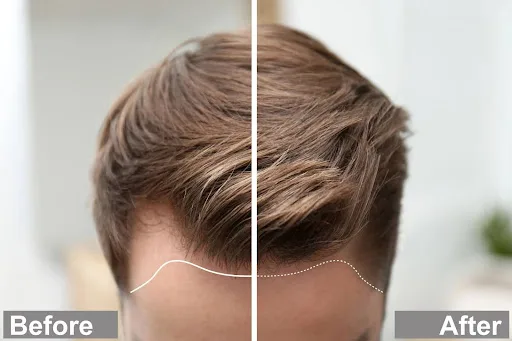
Hair loss can significantly impact self-confidence and appearance, particularly when it affects the hairline. Fortunately, modern hair transplant techniques offer effective solutions for restoring a natural-looking hairline.
At Inside Out Medical Center, patients can access advanced FUE hair transplants for precise, minimally invasive restoration, as well as comprehensive hair restoration treatments to strengthen thinning hair. This guide will walk you through everything you need to know about hairline transplants, from understanding the procedure to long-term maintenance.
What is a Hairline Transplant?
A hairline transplant is a surgical procedure that moves hair follicles from areas of dense hair growth (typically the back or sides of the scalp) to areas experiencing thinning or baldness along the hairline. Unlike earlier hair transplant methods that sometimes produced unnatural-looking “plugs,” modern techniques create natural results by transplanting individual follicular units containing one to four hairs.
The procedure is performed under local anesthesia and is considered minimally invasive. The transplanted hair follicles are permanent and will continue to grow throughout your lifetime, as they’re genetically resistant to the hormone that causes pattern baldness.
Who is an Ideal Candidate?
The best candidates for hairline transplants typically share several characteristics:
Good Donor Hair Supply
You need sufficient healthy hair on the back and sides of your head to serve as donor sites. The quality, density, and color of this hair affect the final results.
Stable Hair Loss Pattern
Surgeons generally prefer candidates whose hair loss has stabilized rather than those experiencing rapid, ongoing loss. Most doctors recommend waiting until your mid-20s or later.
Realistic Expectations
Hair transplant results don’t happen overnight. You’ll need patience as your new hair goes through its growth cycle. Going into the procedure with this understanding makes a huge difference in how satisfied you’ll be with the results.
Good Overall Health
Your body’s ability to heal plays a big role in how well your transplant turns out. If you’re generally healthy and don’t have medical conditions that slow down healing, you’re setting yourself up for the best possible outcome. It’s worth having an honest conversation with your doctor about any health concerns before moving forward.
Sufficient Scalp Laxity
The scalp should have enough flexibility to allow for donor site closure in strip harvesting procedures.
Those with diffuse unpatterned alopecia, unrealistic expectations, or certain medical conditions may not be suitable candidates.
Common Causes of Hairline Recession
Here are some of the common reasons for hairline transplants:
Androgenetic Alopecia (Male Pattern Baldness)
Androgenetic alopecia is the most common cause of hair loss in men, affecting approximately 30 to 50% of men by age 50, according to the International Society of Hair Restoration Surgery (ISHRS).
Genetics
Family history plays a significant role. If your father or grandfather experienced hairline recession, you’re more likely to experience it as well.
Age
Natural aging causes hair follicles to gradually miniaturize, leading to thinner hair and recession.
Hormonal Changes
Thyroid disorders, hormonal imbalances, and other endocrine issues can contribute to hair loss.
Stress and Lifestyle Factors
Chronic stress, poor nutrition, smoking, and certain medications can accelerate hair loss.
Traction Alopecia
Repeatedly pulling hair tightly through certain hairstyles can damage follicles along the hairline.
The Hairline Transplant Procedure
The hairline transplant procedure is designed to restore a natural-looking hairline using advanced surgical techniques. It involves carefully harvesting healthy hair follicles and implanting them in areas of thinning or recession.
Types of Hairline Transplant Techniques (FUT vs. FUE)
Two primary techniques dominate modern hairline transplants:
Follicular Unit Transplantation (FUT) / Strip Method
FUT involves removing a strip of scalp from the donor area, typically 6-10 inches long and less than an inch wide. This strip is then dissected under microscopes into individual follicular units for transplantation.
Advantages:
- Allows for harvesting large numbers of grafts in one session
- Generally less expensive per graft
- Better for patients needing extensive coverage
- Potentially higher survival rate for grafts
Disadvantages:
- Leaves a linear scar in the donor area (though usually hidden by surrounding hair)
- Longer recovery time
- More post-operative discomfort
- Less suitable for those who prefer very short hairstyles
Follicular Unit Extraction (FUE)
FUE involves extracting individual follicular units directly from the donor area using a small punch tool (0.8-1.0 mm in diameter). Each follicle is harvested separately and then transplanted.
Advantages:
- No linear scar; instead, it leaves tiny dot scars that are less visible.
- Shorter recovery period.
- Less postoperative discomfort.
- Suitable for those who wear short hairstyles.
- Can harvest hair from body areas if needed.
Disadvantages:
- More time-consuming and expensive.
- May require shaving larger portions of the donor area.
- Risk of transection (damaging follicles during extraction).
- Generally requires multiple sessions for extensive coverage.
Which is Better?
Neither technique is universally superior. FUT often provides better value for extensive hair loss, while FUE suits those wanting minimal scarring and faster recovery. Your surgeon will recommend the best approach based on your specific needs, hair characteristics, and goals.
Overview of the Transplant Process
Understanding what happens during the procedure can ease anxiety. Here’s an overview of the the procedure:
1. Pre-Operative Preparation
- Your scalp is cleaned and sterilized.
- The surgeon marks the hairline design you’ve agreed upon.
- Photos are taken for before-and-after comparison.
- Local anesthesia is administered to numb donor and recipient areas.
2. Donor Hair Harvesting
- For FUT: A strip of scalp is removed and the wound is sutured.
- For FUE: Individual follicles are extracted one by one.
- The harvested follicles are carefully stored in a cool solution.
3. Recipient Site Creation
- Tiny incisions are made in the recipient area at specific angles and directions.
- The surgeon creates a natural-looking pattern with varied angles.
- Incision depth and direction are crucial for natural results.
4. Graft Placement
- Follicular units are meticulously placed into the recipient sites.
- Single-hair grafts typically go along the hairline for a natural appearance.
- Two-, three-, and four-hair grafts are placed behind for density.
5. Post-Procedure Care
- The donor and recipient areas are bandaged.
- You receive detailed aftercare instructions.
- Pain medication and antibiotics may be prescribed.
How Long Does the Procedure Take?
The duration varies significantly based on several factors:
- Number of Grafts: A typical hairline transplant involves 1,000-3,000 grafts.
- Technique Used: FUE generally takes longer than FUT.
- Surgeon’s Efficiency: Experienced surgeons work more quickly.
Typical Timeframes:
- Small procedures (1,000 grafts): 4-6 hours
- Medium procedures (2,000 grafts): 6-8 hours
- Large procedures (3,000+ grafts): 8-10 hours or multiple sessions
Most procedures are completed in one day, though you’ll have breaks for lunch and rest. Some patients require multiple sessions scheduled weeks or months apart to achieve desired density.
How to Prepare for Your Hairline Transplant
Your hair restoration journey begins with a comprehensive consultation where we’ll evaluate your unique hair loss pattern, assess your donor hair quality and scalp condition, and discuss your goals, medical history, previous treatments, and lifestyle factors that may impact your results.
Together, we’ll design a new hairline that complements your facial features, age, and natural hair patterns while honoring your aesthetic preferences. We may order blood tests to ensure optimal healing and review any medications that need adjustment before your procedure.
You’ll leave with a clear understanding of the number of grafts required, a detailed cost breakdown, and realistic expectations for your timeline to full results—so you can move forward with confidence.
Lifestyle and Health Tips Before Surgery
It’s important to understand that you need to be in good health to maximize procedure results. Here’s how to prepare:
Two Weeks Before:
- Stop smoking (nicotine restricts blood flow and impairs healing).
- Avoid anti-inflammatory medications (aspirin, ibuprofen) and blood thinners.
- Discontinue certain supplements (vitamin E, fish oil, ginkgo biloba).
- Avoid alcohol consumption.
- Stop or reduce finasteride if advised by your doctor.
One Week Before:
- Get a haircut if needed (but avoid very short cuts that expose the scalp).
- Avoid sun exposure to the scalp.
- Stay well-hydrated.
- Eat nutritious, protein-rich foods.
- Get adequate sleep.
Day Before:
- Wash your hair thoroughly with regular shampoo.
- Avoid applying styling products.
- Prepare comfortable, loose-fitting clothing (button-up shirts work best).
- Arrange transportation (you shouldn’t drive after the procedure).
- Get a good night’s rest.
Day of Procedure:
- Eat a healthy breakfast.
- Wear comfortable clothing that doesn’t need to be pulled over your head.
- Avoid caffeine (can increase bleeding).
- Bring entertainment (phone, tablet, book) for the long procedure.
Recovery and Aftercare
The initial recovery period is crucial for successful graft survival:
Day 1-2 (Immediate Post-Op)
- Mild to moderate discomfort (usually manageable with prescribed pain medication)
- Tightness in the donor area, especially with FUT.
- Some swelling around the forehead and eyes.
- Numbness or tingling in treated areas.
- Small amount of bleeding or oozing from recipient sites.
- Sleep with your head elevated at 45 degrees.
Day 3-5
- Swelling may peak around day 3-4 before subsiding.
- Crusting forms around transplanted grafts (this is normal).
- You can gently rinse your scalp as instructed.
- Most people return to desk jobs after 5-7 days.
- Avoid bending over or strenuous activities.
Day 7-10
- Sutures removed (if you had FUT).
- Crusts begin to fall off naturally.
- Itching may increase as healing progresses.
- Transplanted hairs may start to shed (shock loss; this is normal).
- Swelling completely resolves.
Donor Area Recovery
- FUT: The linear incision remains tender for 1-2 weeks; the visible scar fades over months.
- FUE: Tiny dot scars are less noticeable; redness fades within 2-3 weeks.
Tips for Proper Hair and Scalp Care Post-Transplant
Following proper aftercare protocols maximizes results:
First Week
- Sleep elevated to reduce swelling.
- Don’t touch or scratch the recipient area.
- Avoid direct sun exposure.
- Use prescribed sprays or moisturizers as directed.
- Gently spray water on crusts after day 3-4.
- Don’t wear hats that touch the recipient area.
Weeks 2-4
- You can resume gentle shampooing.
- Crusts should be completely gone by week 2.
- Avoid swimming pools, hot tubs, and saunas.
- Protect your scalp from the sun with loose hats or sunscreen.
- Don’t dye or chemically treat hair.
Months 1-3
- Most transplanted hairs will shed (shock loss); don’t panic!
- New growth typically begins around month 3-4.
- You can resume normal hair care routines.
- Gentle exercise can resume after 2-4 weeks.
- Avoid contact sports or activities risking head trauma for 3-4 months.
Long-Term Care
- Be patient. Full results take 12-18 months.
- Consider hair loss prevention treatments (finasteride, minoxidil).
- Use gentle, sulfate-free shampoos.
- Massage scalp to improve circulation.
- Maintain healthy lifestyle habits.
- Protect from excessive sun exposure.
Signs of Complications and When to See a Doctor
While complications are rare, be alert for warning signs. Call Your Doctor immediately if you experience:
- Severe pain not controlled by prescribed medication.
- Excessive bleeding that doesn’t stop with gentle pressure.
- Signs of infection (increasing redness, warmth, pus, foul odor, fever).
- Severe swelling that worsens after day 3.
- Sudden loss of sensation.
- Unusual discharge from incisions.
Normal vs. Concerning Symptoms
Normal
- Mild to moderate swelling.
- Light pink drainage for the first 24-48 hours.
- Itching as healing progresses.
- Tightness in the donor area.
- Shedding of transplanted hairs 2-8 weeks post-op.
- Temporary numbness.
Concerning
- Increasing pain after the first few days.
- Pus or cloudy drainage.
- Red streaks extending from incision sites.
- Fever above 101°F.
- Graft dislodgement in first week.
- Severe or worsening swelling.
Can You Get a Second Hairline Transplant?
Yes, additional transplants are often possible and sometimes necessary. You may need a follow-up procedure to increase density in previously transplanted areas or address progressive hair loss in untreated zones. Additional sessions can also refine your hairline for a more natural appearance or expand coverage as hair loss continues with age.
Important Considerations:
- Donor Supply Limitation: Each person has a finite number of donor follicles (typically 4,000-7,000 grafts available over a lifetime).
- Timing: Wait at least 12-18 months between procedures to ensure proper healing and assess results.
- Realistic Planning: Strategic use of donor hair across procedures is essential.
- Ongoing Loss: Without hair loss prevention treatments, native hair may continue thinning, necessitating additional procedures.
A skilled surgeon will develop a long-term plan considering:
- Current age and likely progression of hair loss.
- Total donor hair available.
- Priority areas for coverage.
- Budget and timeline.
- Whether to combine with hair loss prevention treatments.
Most patients requiring multiple procedures start with a transplant for the hairline and frontal area. Subsequent sessions target the crown or increase overall density as needed.
Cost and Choosing the Right Clinic
Hair transplant costs vary widely depending on location, technique, and the extent of treatment. On average, hairline transplants usually cost around $4,000-$15,000.
Pricing Structures:
- Per Graft: Typically $3-$8 per graft in the US
- Per Session: Fixed price for procedure regardless of graft count.
- Package Deals: May include multiple sessions or combination treatments.
Typical Graft Numbers for Hairline:
- Minor hairline lowering: 800-1,200 grafts ($2,400-$9,600)
- Moderate recession: 1,500-2,500 grafts ($4,500-$20,000)
- Extensive restoration: 3,000-4,000 grafts ($9,000-$32,000)
How to Choose a Qualified Hair Transplant Specialist
Selecting the right surgeon is the most important decision. Consider the following:
Essential Qualifications
- Board certification in dermatology, plastic surgery, or facial plastic surgery.
- Specialized training in hair restoration.
- Years of experience performing hair transplants (minimum 5+ years preferred).
- Membership in professional organizations (International Society of Hair Restoration Surgery, ISHRS, American Board of Hair Restoration Surgery).
- Good standing with medical boards (check for disciplinary actions).
Evaluating Surgeons
- Before-and-After Photos: Review extensive galleries showing various hair types, loss patterns, and results at different time points.
- Patient Reviews: Read reviews on multiple platforms, noting recurring themes.
- Consultation Quality: Assess whether the surgeon listens, explains thoroughly, and sets realistic expectations.
- Surgical Team: Inquire who performs each aspect (harvesting, site creation, graft placement).
- Complication Management: Ask about complication rates and how issues are handled.
- Technology and Techniques: Ensure they use modern methods and continue education.
Red Flags to Avoid
- Guaranteeing specific results or “perfect” outcomes.
- Pushy sales tactics or pressure to commit immediately.
- Prices significantly below market rates.
- Lack of before-and-after photos or photos that look suspicious.
- Poor facility conditions or unprofessional staff.
- Vague answers about qualifications or techniques.
- No formal consultation or assessment process.
- Performing procedures in non-medical settings.
Questions to Ask During Consultation
- How many hair transplant procedures do you perform annually?
- Can I see before-and-after photos of patients with similar hair loss patterns?
- What technique do you recommend for me and why?
- How many grafts will I need, and what results can I realistically expect?
- Who will perform each part of the procedure?
- What are the potential risks and complications?
- What is your revision or guarantee policy?
- Can I speak with previous patients?
- What is included in the quoted price?
- What is your follow-up protocol?
Trust Your Instincts: If something feels off or you don’t feel confident in the surgeon, continue searching. A successful hair transplant requires trust, as you’ll be working with this team for months throughout the healing process.
Achieving Lasting Results with Hairline Transplants
A hairline transplant can be life-changing, restoring not just hair but confidence and self-esteem. However, success depends on realistic expectations, choosing a qualified surgeon, and committing to proper aftercare. The process requires patience, with full results taking 12-18 months. Most patients find the investment of time and money well worth the permanent, natural-looking results.
Remember that a hair transplant addresses current hair loss but doesn’t prevent future loss. Combining the procedure with hair loss prevention treatments and healthy lifestyle habits provides the best long-term outcomes. With proper research, preparation, and care, you can achieve a natural-looking hairline that lasts a lifetime.
Ready to take the next step? Schedule a consultation with a qualified surgeon and start your journey to a lasting, natural hairline.
Talk to a physician
Curious if you're a candidate?
Book a private consultation with Dr. Hernandez. $200 consultation deposit — credited to your treatment.
Related reading
More from our hair restoration insights
Hair Implant Before and After: Real Results & Timeline Explained
See real hair implant before and after results and learn the full hair transplant before and after timeline. D…
Is Hair Transplant Permanent? What to Expect
Is hair transplant permanent? Discover how long results last, what affects longevity, and what Fresno patients…
Best Age for Hair Implant Surgery | When Is the Right Time?
Wondering about the best age for Hair Implant Surgery? Learn when it’s safe, effective, and how age impacts re…