
Insights · Hair Restoration
How Many Hair Transplant Grafts Do You Need? (2025 CA Guide)
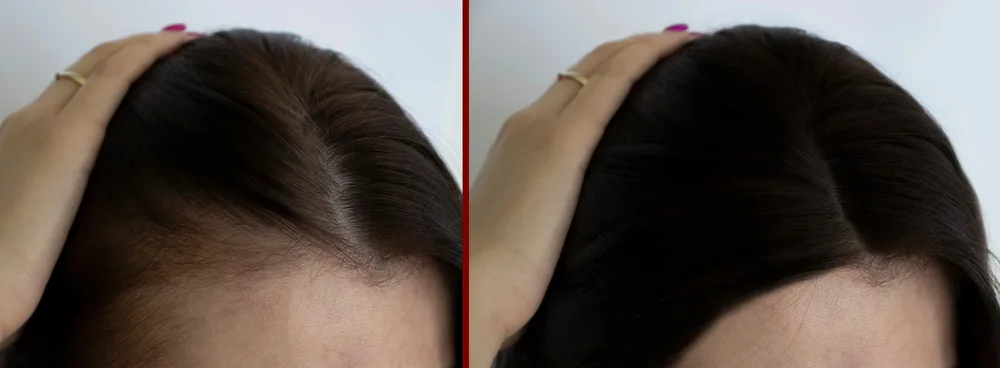
One of the most confusing parts of planning a hair transplant is knowing how many grafts you actually need. Clinics often give wide ranges, and many patients assume more grafts automatically mean better results. Much of this confusion comes from misunderstanding what a hair graft is; it’s not a single hair but a follicular unit containing 1 to 4 hairs, averaging about 2.2 hairs per graft.
Most Central Valley patients need 1,000 to 6,000 grafts, with 2,500 to 3,500 being the most common range. A receding hairline may require around 1,200 grafts, while more advanced restoration can need 4,500 or more. This guide explains what different graft counts actually achieve and how surgeons determine the right number for your hair loss and goals.
Hair Transplant: How Many Grafts? Zone-by-Zone Breakdown
Hairline Zone: 1,000-2,000 Grafts
Your hairline requires the most precision. Natural-looking restoration needs 1,000-2,000 grafts depending on recession extent and frontal width. Single-hair grafts create the natural edge, with denser multi-hair grafts behind.
Crown Zone: 1,500-3,000 Grafts
The circular crown area requires more grafts than expected—1,500-3,000 for satisfactory density. It’s larger than it looks and highly visible to others.
Top/Mid-Scalp Zone: 2,000-4,000 Grafts
Diffuse thinning between the hairline and crown typically needs 2,000-4,000 grafts. Donor supply becomes crucial at this level.
Full Restoration: 3,500-6,000+ Grafts
Advanced hair loss (Norwood 5-6) requires 3,500-6,000+ grafts accomplished in one mega-session or split into two procedures 8-12 months apart.
Central Valley Example: A Fresno patient with Norwood 3 needed 2,800 grafts: 1,200 hairline, 800 temples, and 800 crown. Strategic distribution created natural results.
How Many Hair Grafts Do I Need?
No two patients require the same graft count. Surgeons calculate needs using measurable clinical factors, not guesswork.
Primary Factors:
Norwood/Ludwig Scale: Norwood 2-3 needs 1,500-2,500 grafts; Norwood 4-5 requires 3,000-5,000+.
Donor Density: Ranges from 60-90 follicular units per cm². Higher density = more grafts available.
Age: Under 30 requires a conservative approach for future loss; 50+ can be more aggressive.
Hair Characteristics: Thick, coarse hair covers more per graft. Dark hair on light skin needs more density. Wavy/curly creates more volume than straight.
Ethnic Considerations: Hair characteristics such as shaft thickness, curl pattern, and color contrast significantly affect how many grafts are needed for visible density. These traits vary from person to person and are evaluated individually during consultation.
Quick Estimates:
- Early temple recession (age 28): 1,500 grafts, plan for future session
- Stable Norwood 4 (age 45): 4,500 grafts, comprehensive single session
Most Central Valley clinics use trichoscopy to measure donor density accurately instead of estimating by eye.
How Much Area Will 3,000 Grafts Cover?
Patients often ask what a specific graft number actually looks like in terms of coverage. Coverage depends on density strategy and hair characteristics.
Density guidelines:
Natural scalp density varies widely by individual. During transplantation, surgeons typically place grafts at lower densities than natural hair while relying on strategic placement and hair characteristics to achieve a natural appearance. Exact density targets vary by area of the scalp and patient factors.
- At 30 grafts/cm²: 3,000 grafts = 100 cm² coverage
- At 50 grafts/cm²: 3,000 grafts = 60 cm² coverage
Most surgeons target 35-40 grafts/cm² in visible areas and 25-30 in less visible zones.
Real Coverage:
3,000 grafts provide:
- Full hairline plus 50-70% crown coverage
- Complete frontal and mid-scalp restoration
- Norwood 4 to Norwood 2 transformation
- 60-100 cm² with natural density
Results Timeline:
- Days 0-10: Redness, scabs, visible sites. Week off work.
- Weeks 2-4: Shock loss (normal). Transplanted hairs fall out.
- Months 3-4: New growth begins. 20-30% of final results.
- Month 6: 50-60% results. Noticeable improvement.
- Month 9: 70-80% results.
- Months 12-15: Full maturity and final density.
Is One Graft Equal to One Hair?
No. A graft is not a single hair. Each graft is a natural follicular unit that contains 1 to 4 hairs, with an average of about 2.2 hairs per graft. Understanding this distinction is essential when evaluating quotes and expected results.
Typical Graft Composition
- Single-hair grafts (15–20%): Used almost exclusively at the hairline for a soft, natural edge
- Two-hair grafts (40–50%): The main source of visible density throughout the scalp
- Three-hair grafts (25–30%): Commonly placed in the mid-scalp and crown for coverage
- Four-hair grafts (5–10%): Used selectively in areas where maximum density is needed
What the Numbers Actually Mean
- 3,000 grafts × 2.2 hairs per graft = 6,600+ individual hairs
This is why reputable clinics quote grafts, not hair counts. Hair counts alone can be misleading and are not a standard medical metric.
Strategic Graft Placement
- Hairline: Single-hair grafts in the first 1–2 rows for a natural transition
- Transition zone: Two-hair grafts to gradually build density
- Mid-scalp: Two- and three-hair grafts for balanced coverage
- Crown: Three- and four-hair grafts to maximize fullness
This placement strategy follows ISHRS gold standards and is what separates modern, natural-looking transplants from outdated, pluggy results.
Is 2500 Hair Grafts a Lot?
A 2,500-graft hair transplant represents a meaningful level of restoration without being excessive. This amount is typically enough to restore receding temples, rebuild the frontal third of the scalp with good density, and either address early crown thinning or focus entirely on refining the hairline.
This graft count is best suited for patients in their 30s with early to moderate hair loss who want visible improvement while preserving donor hair for potential future procedures. In the Central Valley, the typical cost for a 2,500-graft procedure ranges from $10,000 to $17,500.
From a planning perspective, 2,500 grafts represent about 40% of a full mega-session. Patients seeking comprehensive coverage of the hairline, mid-scalp, and crown usually require 5,000 to 6,000 grafts, completed in one large session or through staged procedures.
How Much Hair Is 2000 Grafts?
A 2,000-graft hair transplant is one of the most common first-time procedure sizes. On average, it equals about 4,400 individual hairs, based on 2.2 hairs per graft, and typically covers 40 to 60 cm², depending on density planning and hair characteristics.
This graft count is usually enough to restore a natural hairline, improve the temples, and rebuild the frontal third of the scalp, or to provide moderate crown coverage, but not both areas fully. The goal is targeted improvement rather than full restoration.
Most patients return to desk work within a week and physical work within 10 to 14 days. Shock loss is usually complete by the first month, with early growth appearing around month four. By month eight, about 70% of final density is visible, and full thickness develops around one year.
Overall, 2,000 grafts provide noticeable, natural improvement and are best suited for early hair loss and conservative restoration plans.
Do All Transplanted Hair Grafts Grow? 2025 Survival Rates
Not every transplanted graft will grow. However, modern hair transplant techniques commonly achieve high graft survival, often reported in the 85–95% range when procedures are performed by experienced surgeons and patients follow proper aftercare.
Actual survival varies based on surgeon technique, graft handling, patient health, and post-procedure care. For this reason, reputable clinics focus on realistic planning rather than promising 100% growth.
Practical Example: 3,000 grafts at 92% survival = 2,760 growing grafts, still excellent coverage.
Why Grafts Fail:
- Trauma during extraction (inexperienced technicians)
- Improper storage during procedure
- Placement errors (depth, angle)
- Patient factors (smoking, poor nutrition, medications)
- Infection (rare with proper technique)
Advances in 2025
AI-assisted extraction and modern implanter devices have improved consistency, with many Central Valley clinics reporting average survival rates above 94%.
Some clinics offer PRP therapy as an adjunct treatment. While PRP may support healing and graft health in some patients, evidence on its impact on long-term graft survival remains mixed. It should be considered optional rather than essential.
What Patients Can Control
- Follow all pre-operative instructions
- Avoid alcohol and smoking
- Protect the transplant area during healing
- Take prescribed medications as directed
- Avoid strenuous activity during recovery
- Attend all follow-up appointments
Central Valley CA Graft Needs: Fresno, Bakersfield, Sacramento Comparison
Hair transplant graft requirements and treatment approaches vary across Central Valley cities due to differences in demographics, hair characteristics, pricing, and patient preferences.
Fresno: 2,000-4,000 Average
Average procedures: 2,500-3,500 grafts. Diverse population with thicker hair often requires fewer grafts for visual density. Cost: $6,000-$13,000 makes multi-session approaches feasible.
Bakersfield: 3,000+ Average
Typically 3,000-4,000 grafts. Outdoor industry workers often delay treatment until loss is advanced. Patients prefer one definitive procedure versus staged approaches.
Sacramento Comparison
Charges 20-30% more ($8,000-$16,000) for the same procedures costing $6,000-$12,000 in Fresno/Bakersfield. Graft needs 2,500-3,500 on average, but wealthier demographics opt for more mega-sessions.
Regional Treatment Planning Differences
While pricing and treatment styles can vary by region, graft recommendations should always be based on individual hair loss patterns and donor supply, not geography. Patients are encouraged to seek multiple opinions and choose a provider focused on long-term planning rather than maximizing graft counts.
Graft Placement: Final Step for Natural Results
Even with the correct graft count, natural outcomes depend on precise placement technique. Angle, direction, and density planning determine whether results look realistic.
Angle and Direction
Hair grows at 30-45 degree angles following specific patterns. Frontal hair grows forward/downward. The crown spirals around the vortex. Temples angle backward. Surgeons replicate these natural patterns.
Density Gradients:
- Hairline: 35-40 grafts/cm²
- Frontal zone: 40-45 grafts/cm²
- Mid-scalp: 35-40 grafts/cm²
- Crown: 30-35 grafts/cm²
This gradient prevents the “doll hair” look.
Recipient Site Creation
Surgeons create thousands of small incisions at precise depths and angles before placing grafts. Proper site creation allows grafts to grow naturally and reduces trauma. Modern lateral slit techniques support dense packing while protecting surrounding tissue.
Central Valley Climate Adaptation
Local surgeons often place grafts slightly deeper and at angles that help protect the scalp from intense sun exposure, heat, and agricultural dust, improving long-term durability and comfort.
Mega Sessions: 4,000-6,000+ Grafts Feasibility
Mega sessions are designed for patients who need extensive restoration and want the largest amount of coverage in a single procedure. These sessions involve 4,000 or more grafts performed in one day and typically last 8 to 12 hours, depending on graft count and technique.
Who Needs Them:
- Norwood 5-6 patients wanting comprehensive coverage
- Younger patients with aggressive loss and strong donor supply
- Patients unwilling to do multiple procedures
FUE Feasibility Requirements:
- Sufficient donor density (not everyone qualifies)
- Expert extraction (6-8 hours of precise work)
- Extended procedure time (10-14 hours total)
Recovery: 10-14 days before work, significant swelling possible, 18 months for full results versus 12-15 for smaller procedures.
Central Valley Advantage: Local follow-up for any concerns; no flights needed.
Cost: $16,000-$28,000+ in Central Valley. Often more economical than two separate procedures when factoring operating costs.
Alternative: Staged procedures, such as 2,500 grafts followed by 2,000 grafts after 12 months, place less stress on the donor area and allow surgeons to refine density as hair loss progresses.
Choosing the Right Graft Plan for Lasting Results
Successful hair restoration depends on proper planning, careful use of donor hair, and surgical skill, not graft numbers alone. While procedures in the Central Valley are often more affordable than in coastal California, natural and lasting results still require careful evaluation to avoid overusing the donor area and compromising future options.
At Inside Out Medical Center, each patient receives a personalized assessment based on their pattern of hair loss, available donor hair, hair type, and likelihood of future thinning. Consultations include detailed donor measurements, clear graft estimates, and a zone-by-zone plan designed to achieve natural results while protecting donor supply.
Scheduling a free consultation with a qualified Central Valley hair surgery physician helps determine candidacy, total cost, and an appropriate surgical plan.
Medical Disclaimer: Educational information only. Consult a board-certified hair restoration surgeon for a personalized assessment.
FAQ Section
How many grafts are needed for a hair transplant?
Hairline: 1,000-2,000 grafts. Moderate loss (Norwood 3-4): 2,500-3,500 grafts. Extensive loss (Norwood 5-6): 4,000-6,000+ grafts. Central Valley average: 2,500-3,500 grafts. Depends on donor density, hair characteristics, and goals.
How much area will 3,000 grafts cover?
60-100 cm² with natural density (30-50 grafts/cm²). Provides full hairline plus 50-70% crown coverage, or complete frontal/mid-scalp restoration. Transforms Norwood 4 to Norwood 2. Depends on hair thickness and color contrast.
Is one graft equal to one hair?
No. Each graft contains 1-4 hairs, averaging 2.2 hairs/graft. 3,000 grafts = 6,600+ individual hairs. Single-hair grafts (15-20%) are used for the hairline; 2-4 hair grafts create density. Reputable clinics quote graft counts, not hair counts.
Is 2500 hair grafts a lot?
Moderate level—significant but not comprehensive. Covers temples plus frontal third (35-50 cm²). Perfect for early-to-moderate loss. About 40-50% of mega-session capacity. Ideal for conserving donor supply for potential future work. Cost: $10,000-$17,500 in Central Valley.
How much hair is 2000 grafts?
Approximately 4,400 individual hairs (2.2/graft average). Covers 40-60 cm²—natural hairline plus partial mid-scalp, or moderate crown coverage. Most common first-time size. Recovery takes 7-10 days; full results take 12 months. Central Valley cost: $8,000-$14,000.
Do all transplanted hair grafts grow?
90-95% success rate. FUE 90-95%, robotic 94-96%, FUT 95-98%. 3,000 grafts at 92% survival = 2,760 growing grafts. Factors: surgeon expertise, handling, patient health, aftercare. Central Valley average: 94% with modern techniques. PRP may boost to 97-98%.
How many hair grafts do I need for a full hairline?
1,000-2,000 grafts depending on recession and head width. Conservative: 1,000-1,400 grafts. Natural, age-appropriate: 1,400-1,800 grafts. Aggressive, low hairline: 1,800-2,200 grafts. Surgeons should design age-appropriate hairlines, not recreate teenage hairlines.
Hair transplant: how many grafts for the crown?
1,500-3,000 grafts depending on extent. Early thinning: 1,500-2,000. Moderate balding: 2,000-2,500. Extensive loss: 2,500-3,000+. Crown is larger than expected. Many opt for 50-70% density to preserve donor supply for visible areas.
Central Valley, CA: Average grafts needed?
2,500-3,500 grafts on average. Fresno: 2,800 average (1,200-5,000 range). Bakersfield: 3,200 average. Cost: $10,000-$20,000. Diverse population and experienced surgeons optimize graft efficiency.
2025 graft survival rates?
Robotic FUE: 94-96%. Manual FUE: 92-95%. FUT: 95-98%. AI-assisted extraction improved survival 2-3% over 2020. Central Valley clinics with modern implanters: 94%+ average. PRP may boost to 97-98%. Expect 90-95% with qualified surgeons.
Talk to a physician
Curious if you're a candidate?
Book a private consultation with Dr. Hernandez. $200 consultation deposit — credited to your treatment.
Related reading
More from our hair restoration insights
Hair Implant Before and After: Real Results & Timeline Explained
See real hair implant before and after results and learn the full hair transplant before and after timeline. D…
Is Hair Transplant Permanent? What to Expect
Is hair transplant permanent? Discover how long results last, what affects longevity, and what Fresno patients…
Best Age for Hair Implant Surgery | When Is the Right Time?
Wondering about the best age for Hair Implant Surgery? Learn when it’s safe, effective, and how age impacts re…