
Insights · Hair Restoration
How Surgeons Design a Natural Hairline Transplant
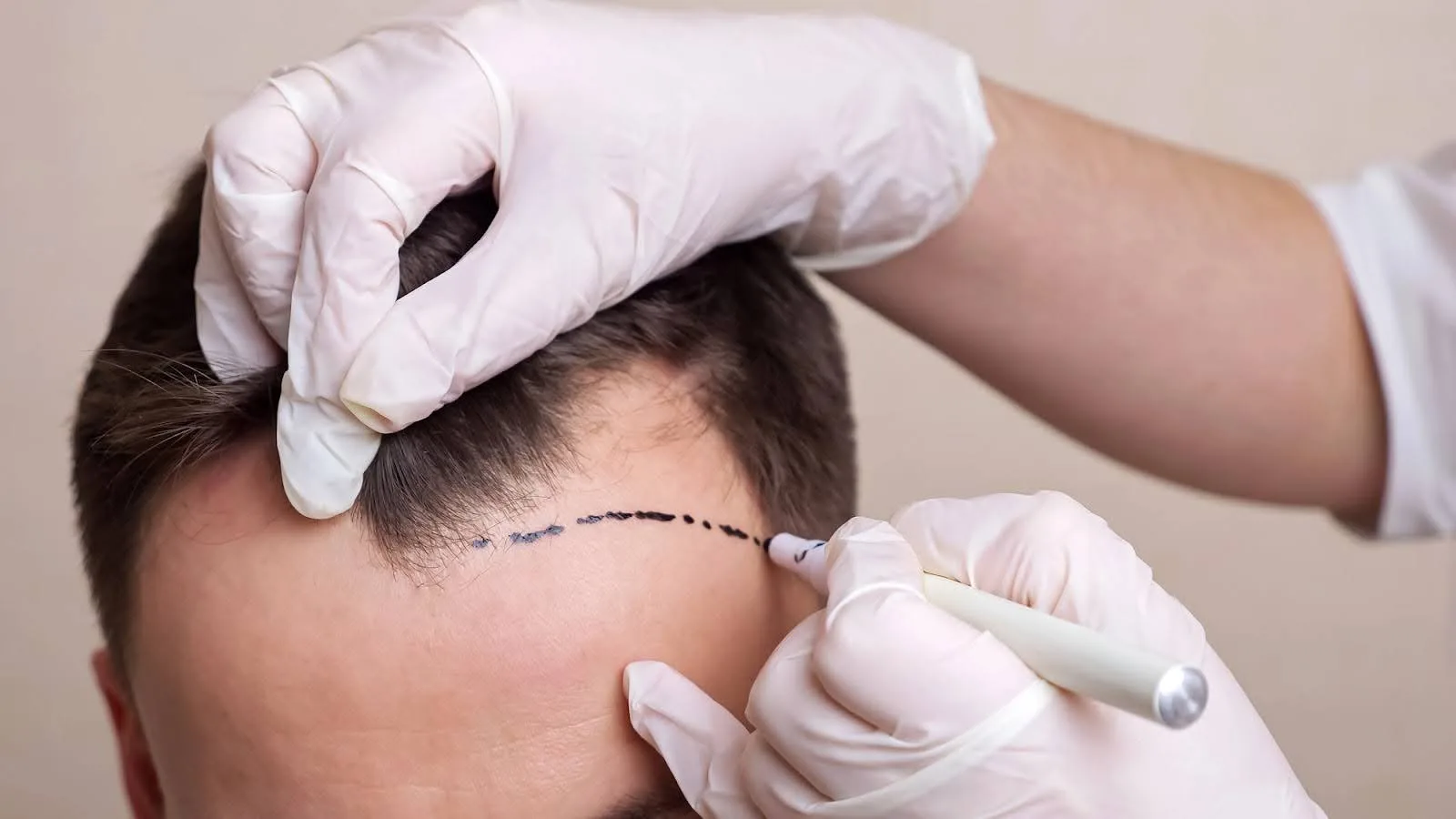
A natural hairline does not happen by chance. It is planned with precision, restraint, and a clear understanding of how hair grows across a lifetime.
Research in hair restoration shows that the most frequent mistake in hair transplant procedures is positioning the hairline too low, followed by incorrect angling or direction of the transplanted hairs. Fixing these problems is challenging and requires a high level of technical skill and aesthetic judgment. Despite the difficulty, surgeons can usually restore a natural-looking result.
This guide explains how surgeons design a natural hairline transplant that blends, ages well, and looks authentic in real life. You will learn how hairline transplant works, how surgeons plan placement, and what separates natural hairline transplant results from obvious ones. If you are considering a hair transplant for a receding hairline, this article will help you make an informed decision.
Why Hairline Design Determines the Final Result
Hair restoration success is not defined by how many grafts survive. It is defined by how believable the hairline looks once it grows in.
A natural hairline has no sharp border. It fades in gradually, with subtle irregularities that mirror natural growth. Artificial hairlines fail because they treat the hairline as a boundary rather than a transition.
Hairline design in hair transplant surgery focuses on creating a soft visual entry point that flows into stronger density behind it. When this step is rushed or simplified, the result often looks planted.
Facial Structure Guides Hairline Placement
Surgeons begin with the face, not the scalp. They assess:
- Forehead height and width
- Brow position
- Skull curvature
- Existing recession patterns
- Age and expected hair loss progression
Placing a hairline too low can look unnatural as hair loss continues behind it. Placing it too high can fail to frame the face. This step defines hair transplant natural hairline planning and prevents results that look good briefly but age poorly.
Personalized Hairline Design
Natural hairlines are personal. They reflect genetics, age, and facial shape. Surgeons account for:
- Gender-based differences in hairline shape
- Ethnic hair texture and curl pattern
- Hair shaft thickness and color contrast
- Natural asymmetry in facial features
Personalized hairline design for hair restoration avoids symmetry that looks artificial. Real haires are uneven by design. lin
Designing the Leading Edge for Realism in Hairline Transplants
The first centimeter of the hairline determines realism. Surgeons use:
- Single-hair grafts only
- Low density at the very front
- Irregular spacing
- Subtle changes in angle and direction
Density increases gradually behind the leading edge. It creates a feathered transition that mimics natural growth. These define the best methods for natural-looking hairlines and separate modern planning from older plug-based approaches.
Precision Hair Placement and Growth Direction
Hair does not grow straight out of the scalp. At the hairline, it exits at shallow angles and changes direction across zones. Precision hairline placement strategies include:
- Forward-facing angles in the central hairline
- Lateral orientation near the temples
- Directional blending with existing hair
Incorrect angles are difficult to correct later. Hair that grows upward or crosses unnaturally can expose the transplant, even with good density. This is why the hairline-planning surgeon approach is critical to the quality of outcomes.
Density Mapping That Prevents an Artificial Look
Natural hairlines are visually full, not densely packed.
Surgeons avoid:
- Uniform spacing
- Thick density at the very front
- Abrupt density changes
Instead, they build density in stages. This approach creates depth and softness while conserving grafts. Research shows poor density planning is one of the most common reasons patients seek hairline correction surgery after previous procedures.
Why FUE Is the Preferred Technique for Natural Hairline Work
Most natural hairline transplants today rely on Follicular Unit Extraction (FUE). This method gives surgeons the level of control needed to design hairlines that look grown, not placed.
Unlike older techniques that remove larger strips of tissue, FUE allows surgeons to extract individual follicular units one at a time. This matters most at the hairline, where small visual details determine whether the result appears natural or artificial.
Natural hairline transplant techniques using FUE allow surgeons to:
- Select finer donor hairs that closely match the softness of the natural hairline
- Separate single-hair grafts from multi-hair units for precise placement
- Adjust graft size to suit different zones of the hairline
- Place follicles at shallow angles that match natural growth direction
This level of selectivity is especially important at the leading edge of the hairline. Thicker grafts or grouped follicles placed too far forward often create a harsh appearance that becomes obvious once the hair grows in.
At Inside Out Medical Center, FUE is used as part of a structured hairline planning process rather than a one-size-fits-all procedure. Donor hair is evaluated for thickness, curl, and growth behavior before grafts are selected for the hairline. This allows placement to align with the visual needs of each zone instead of treating the hairline as a single surface.
FUE does not guarantee a natural result on its own. The outcome still depends on planning, angle control, and restraint. When used correctly, however, FUE gives surgeons the tools needed to create hairlines that blend naturally and age well over time.
Hairline Transplant Cost Factors
Hairline transplant pricing is not one-size-fits-all. A natural result requires planning, precision, and time, which is why costs vary from patient to patient.
When discussing hair transplant cost, surgeons evaluate several factors that directly affect the scope of the procedure and the quality of the outcome.
Cost depends on these factors:
- Number of grafts: A minor hairline refinement may require a few hundred grafts, while rebuilding a receding hairline can require significantly more. Graft count is one of the strongest cost drivers.
- Design complexity: Hairlines that require detailed irregularity, temple point work, or correction of a previous transplant take more time and planning than simple density fills.
- Surgeon experience: Hairline design is a skill developed over years. Clinics led by experienced physicians typically charge more because planning errors are costly and difficult to correct.
- Technique used: Advanced FUE methods that allow for selective graft placement and refined angle control often involve more time per graft than older techniques.
- Local market conditions: Pricing varies by region. In California, hair restoration costs reflect higher operating standards, medical oversight, and long-term follow-up care.
In California, hairline transplant pricing can vary widely. Accurate estimates require an in-person evaluation. A consultation with a hairline restoration specialist ensures the treatment plan supports both natural appearance and lasting results.
Don’t Rush the Surgery. Get the Hairline Right.
A well-designed hairline should never announce itself. It should fit your face, move naturally with expression, and continue to look right as time passes. That level of result comes from planning, not shortcuts.
At Inside Out Medical Center, we design hairlines with the long view in mind. We focus on facial balance, natural growth patterns, and careful placement that blends seamlessly with your existing hair. Every plan is built around the individual’s requirements.
If you are considering hairline restoration and want clear answers and realistic expectations, schedule aconsultation with us. Together, we can determine a plan that looks natural today and continues to make sense years from now.
Frequently Asked Questions About Natural Hairline Transplants
Can a surgeon recreate my original hairline exactly as it was before hair loss?
In most cases, surgeons do not attempt to recreate an exact youthful hairline. Hairlines change naturally with age, and restoring a juvenile position can look unnatural over time. Surgeons design a hairline that reflects your facial structure, age, and long-term hair loss pattern to ensure the result looks natural for decades.
Is a natural hairline transplant possible if I have limited donor hair?
Yes, but design becomes even more important. When donor supply is limited, surgeons prioritize the frontal hairline and use refined density planning to create the appearance of fullness. Strategic placement and correct angles allow fewer grafts to achieve natural-looking results without overharvesting.
Will transplanted hair at the hairline thin out over time?
Transplanted hair is taken from donor areas that are resistant to genetic hair loss. Once the grafts establish, they typically grow for life. However, surrounding native hair can continue to thin, which is why surgeons plan hairlines with future hair loss in mind.
How soon can I style or cut my hair after a hairline transplant?
Most patients can gently resume hair grooming after two weeks. Haircuts with clippers near the transplant area usually wait three to four weeks. Styling products should be used cautiously during early healing and only after the scalp has fully recovered.
What causes some hairline transplants to look unnatural even years later?
Unnatural results are usually due to poor initial design, incorrect angles, or hairlines placed too low. These issues become more noticeable as the surrounding hair changes with age. Proper planning and conservative placement are the most reliable ways to avoid long-term cosmetic issues.
Talk to a physician
Curious if you're a candidate?
Book a private consultation with Dr. Hernandez. $200 consultation deposit — credited to your treatment.
Related reading
More from our hair restoration insights
Hair Implant Before and After: Real Results & Timeline Explained
See real hair implant before and after results and learn the full hair transplant before and after timeline. D…
Is Hair Transplant Permanent? What to Expect
Is hair transplant permanent? Discover how long results last, what affects longevity, and what Fresno patients…
Best Age for Hair Implant Surgery | When Is the Right Time?
Wondering about the best age for Hair Implant Surgery? Learn when it’s safe, effective, and how age impacts re…