
Insights · Hair Restoration
What Is a Hair Graft? Procedure, Cost Per Graft & More
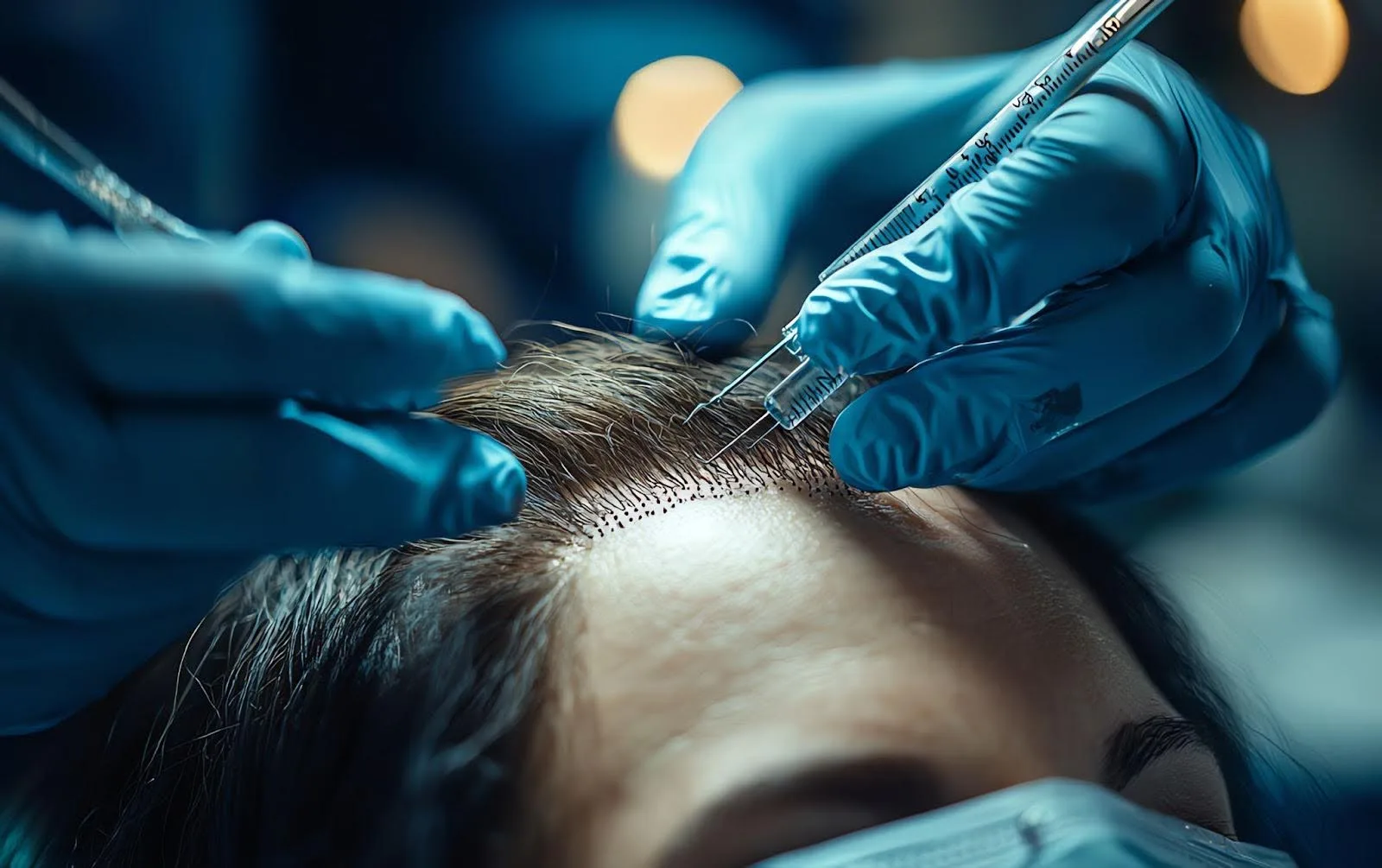
A hair graft is a natural follicular unit that contains 1 to 4 hair follicles along with surrounding skin and tissue. These grafts are taken from donor areas, usually the back and sides of the scalp, and transplanted into thinning or bald areas.
Hair grafts keep the genetic traits of the donor area. Hair taken from the back of the scalp continues to grow long term even after being moved. This concept, known as donor dominance, is the basis of modern hair restoration.
In 2025, surgeons typically place 40 to 50 or more grafts per square centimeter to achieve natural density. This guide explains what hair grafts are, how procedures work, current costs, longevity, and common questions.
What Is a Hair Graft? Understanding Follicular Units
A hair graft is a complete biological unit containing:
- 1-4 hair follicles (occasionally 5)
- Sebaceous glands producing natural oils
- Arrector pili muscles
- Small nerves and blood vessels
- Surrounding connective tissue and skin
Typical Graft Distribution:
- Single-hair grafts: 15-20% (hairline only)
- Two-hair grafts: 40-50% (primary density)
- Three-hair grafts: 25-30% (mid-scalp/crown)
- Four-hair grafts: 5-10% (maximum density zones)
Modern Grafts vs. Old Hair Plugs
Older techniques used large plugs with 15 to 30 hairs, which looked unnatural. Modern transplants use natural follicular units placed at realistic density, making results undetectable.
Why Graft Count Matters
Clinics quote grafts, not individual hairs. On average, one graft contains about 2.2 hairs. For example, 3,000 grafts equal roughly 6,600 hairs.
Hair Grafting Procedure Explained: Step-by-Step Process
Pre-Operative Planning
Consultation (1-2 hours):
The surgeon evaluates donor density, scalp flexibility, hair characteristics, and hairline design. Grafts are allocated based on coverage goals and long-term planning.
Harvesting Methods
FUT (Follicular Unit Transplantation)
A thin strip of scalp is removed and dissected into grafts under microscopes.
- Survival rate: 95 to 98 percent
- Leaves a linear scar hidden by longer hair
- Lower cost and larger graft yield
FUE (Follicular Unit Extraction): Individual grafts are removed using micro-punch tools.
- Survival rate: 90 to 95 percent
- Tiny dot scars that are hard to detect
- Faster recovery and no linear scar
Graft Placement
The surgeon creates tiny recipient sites at proper depth, angle, and direction.
- Hairline uses single-hair grafts
- Frontal and mid-scalp use two- to three-hair grafts
- Crown uses three- to four-hair grafts
Procedure Time
- 1,000 to 1,500 grafts: 4 to 6 hours
- 2,000 to 3,000 grafts: 6 to 8 hours
- 3,500 to 5,000 grafts: 8 to 10 hours
Hair Transplant Cost Per Graft in 2025
Hair transplant pricing is typically calculated per graft, not per hair. In 2025, costs vary based on technique, surgeon experience, clinic location, and total graft count. Understanding average price ranges helps set realistic expectations and avoid misleading quotes.
United States:
National Average: $3-$8 per graft
By Technique:
- FUT: $3-$6 per graft
- FUE: $5-$9 per graft
- Robotic FUE: $7-$12 per graft
By Region:
- Central Valley, CA: $4-$7 per graft
- LA/San Francisco: $8-$12 per graft
- NYC: $8-$15 per graft
- Miami/Florida: $4-$8 per graft
- Texas: $3-$7 per graft
International Medical Tourism:
- Turkey: $1-$3 per graft
- Mexico: $2-$4 per graft
- Thailand/Philippines: $2-$5 per graft
- India: $1-$3 per graft
- Eastern Europe: $2-$5 per graft
Total Procedure Costs:
1,000 grafts:
- US: $4,000-$8,000
- Central Valley: $4,000-$7,000
- International: $1,500-$3,000
2,000 grafts:
- US: $8,000-$16,000
- Central Valley: $8,000-$14,000
- International: $3,000-$6,000
3,000 grafts:
- US: $12,000-$24,000
- Central Valley: $12,000-$20,000
- International: $4,000-$8,000
5,000+ grafts:
- US: $20,000-$40,000
- Central Valley: $20,000-$35,000
- International: $6,000-$12,000
What Influences Cost:
- Surgeon experience and credentials
- Technology (robotic, advanced imaging)
- Geographic location and overhead
- Clinic reputation
- Session size (volume discounts possible)
What’s Included:
Reputable clinics include:
- Pre-op consultation and planning
- Local anesthesia
- Procedure
- Post-op medications
- 2-4 follow-up appointments
Watch for hidden fees: consultation ($200-$500), PRP ($500-$1,500), or additional follow-ups.
Financing:
- CareCredit: 0% promotional periods (12-24 months)
- Medical financing: PatientFi, United Medical Credit
- In-house plans: Direct clinic financing
- HSA/FSA: May qualify if medically necessary
Hair Graft Longevity & Side Effects
Hair grafts are designed to last for life, but patients should understand normal changes, temporary shedding, and possible side effects.
Permanent Results
Transplanted hair grafts are permanent. Donor hair from the back and sides of the scalp resists DHT and keeps that resistance after transplant. Long-term studies show transplanted hair continuing to grow for decades.
What may change over time:
- Normal age-related thinning
- Gray hair in transplanted follicles
- Minor texture changes in some patients
- Continued thinning of untreated native hair
Temporary “Shock Loss”
Shock loss is a normal part of recovery. Transplanted hairs shed while follicles remain in place and establish a blood supply.
Typical timeline:
- Weeks 2 to 4: shedding occurs
- Months 3 to 4: new growth begins
- Month 6: about 50 to 60 percent growth
- Months 12 to 15: final results
Nearby native hair may also shed temporarily and usually regrows within 3 to 6 months.
Side Effects
Most side effects are mild and temporary.
Common (10-30% of patients):
- Swelling: Face/forehead days 3-5, resolves within week
- Discomfort: Mild-moderate pain, managed with medication
- Itching: Days 5-14 during healing (don’t scratch)
- Numbness: Temporary, resolves 3-6 months
- Scabbing: Small scabs days 7-14 (let fall naturally)
Uncommon (1-5%):
- Infection (rare with proper technique)
- Minor bleeding for the first 24-48 hours
- Folliculitis (inflammation around grafts)
- Poor growth (5-10% in areas)
Rare (<1%):
- Cysts (grafts placed too deep)
- Excessive scarring (keloid-prone individuals)
Long-Term Maintenance
Medications help preserve existing hair and improve long-term results.
Common options:
- Finasteride to reduce DHT
- Minoxidil for growth support
- PRP treatments a few times per year
- Supportive shampoos
Annual maintenance costs typically range from $500 to $3,000.
Choosing a Hair Transplant Surgeon: 10 Critical Questions
Outcomes depend more on the surgeon’s experience and judgment than on the technique itself. These questions help identify skill, transparency, and realistic expectations.
1. How many procedures have you personally performed?
Look for extensive hands-on experience, typically 1,000 or more cases. Ask about the individual surgeon, not the clinic as a whole.
2. What is your average graft survival rate?
Typical ranges are 90 to 95 percent for FUE and 95 to 98 percent for FUT. Inability to provide data or claims of 100 percent survival are red flags.
3. What is your transection rate for FUE procedures?
Rates should generally remain under 5 percent. Higher rates suggest poor extraction technique.
4. Are you a member of the ISHRS?
Membership in the International Society of Hair Restoration Surgery reflects ongoing education and professional standards.
5. Which technique do you recommend for my case and why?
The explanation should be based on your hair characteristics and long-term plan, not a one-size-fits-all approach.
6. Can I review before-and-after results from similar patients?
Ask to see multiple cases with comparable hair loss patterns, not only the best outcomes.
7. Who performs graft extraction and placement?
Clarify whether the surgeon or technicians handle each step and confirm their training and oversight.
8. What is included in the quoted price?
Confirm whether consultations, medications, follow-ups, and any touch-up procedures are included.
9. What is your complication rate and how are issues managed?
Experienced surgeons acknowledge that complications can occur and explain how they are addressed. Claims of zero complications are unrealistic.
10. Can you provide patient references or long-term case examples?
Speaking with previous patients or reviewing long-term outcomes can provide valuable perspective.
Red Flags:
- Pressure to book immediately
- Unwilling to answer questions
- Guaranteeing “perfect results” or “100% survival”
- Significantly cheaper than competitors
- No clear answer on who performs procedure
- Generic before/after photos
Green Flags:
- Realistic expectations set
- Comprehensive actual patient portfolio
- Transparent pricing with clear inclusions
- Board certification and ISHRS membership
- Strong local reputation
- Clear communication
Next Steps: Moving Forward
Taking a structured approach helps ensure safe and realistic results.
Step 1: Assess Candidacy
Suitable candidates generally have adequate donor density, stable hair loss, good overall health, and realistic expectations. Hair transplant surgery is typically recommended for patients age 25 or older to allow patterns of loss to stabilize.
Step 2: Research Options
Compare local, national, and international providers based on the surgeon’s training, experience, and case volume rather than cost alone. Lower prices may limit follow-up care and long-term support.
Step 3: Schedule Multiple Consultations
Use consultations to compare proposed graft counts, surgical techniques, treatment plans, total costs, and what services are included. Pay attention to how clearly risks and limitations are explained.
Step 4: Verify Credentials
Confirm board certification, professional memberships, and licensing through official organizations and medical boards. Patient reviews and long-term case documentation can provide additional insight when evaluated carefully.
Step 5: Prepare for Procedure
Follow all preoperative instructions, discontinue smoking at least two weeks before surgery, arrange transportation, plan adequate time off work, and prepare required aftercare supplies in advance.
Achieving Long-Term Results with Hair Grafts
Technique, graft count, surgeon experience, and location all influence hair grafting outcomes, but quality matters more than cost alone. Proper planning and skilled execution are essential for achieving permanent, natural-looking results that make the most of a limited donor supply.
At Inside Out Medical Center, Dr. Hernandez and the team provide advanced hair grafting procedures, transparent pricing, and individualized treatment plans. Your consultation includes an evaluation of donor density, graft requirements, and long-term options to support lasting results.
Schedule a free consultation with a qualified hair restoration physician to determine candidacy, graft needs, and a clear treatment plan.
People Also Ask: Common Hair Graft Questions
What is a hair graft?
A hair graft is a natural follicular unit containing 1 to 4 hair follicles with surrounding skin and tissue. Grafts are taken from donor areas on the back or sides of the scalp and transplanted into thinning or bald areas.
How long do hair grafts last?
Hair grafts are considered permanent because donor hair resists DHT, the hormone responsible for pattern hair loss. Most grafts grow long-term, with final results visible within 12 to 15 months.
How much hair is 2,000 grafts?
Two thousand grafts contain about 4,000 to 4,400 hairs on average. This typically restores a natural hairline and improves frontal density or provides moderate crown coverage.
How much does it cost for hair grafts?
Hair grafts usually cost between $2 and $10 per graft, depending on location, technique, and provider. In the United States, most patients pay $3 to $8 per graft, with total cost based on graft count.
What’s the difference between a graft and a follicle?
A follicle is a single hair-producing unit, while a graft is a follicular unit that may contain multiple follicles. One graft typically includes 1 to 4 hairs along with supporting tissue.
How many grafts do I need for a full head of hair?
Most patients need 1,000 to 2,000 grafts for a hairline, 2,500 to 3,500 for moderate loss, and 4,000 to 6,000 for advanced loss. Results aim for natural coverage rather than teenage-level density.
Do hair grafts leave scars?
FUT leaves a thin linear scar that can be hidden by longer hair, while FUE leaves tiny dot scars that are difficult to detect. Recipient-area scarring is minimal and concealed by transplanted hair.
What’s the success rate for hair grafts?
FUE procedures typically achieve 90 to 95 percent graft survival, while FUT averages 95 to 98 percent. Outcomes depend on surgeon skill, patient health, and proper aftercare.
Can grafts be transplanted more than once?
No, each graft can only be transplanted one time and cannot be reused. Additional procedures rely on remaining donor hair, which is limited.
What happens to grafts that don’t survive?
Non-surviving grafts are naturally absorbed by the body and cause no harm. They result in reduced density in that area and cannot be recovered.
Medical Disclaimer: Educational information only. Consult a board-certified hair restoration physician for personalized treatment recommendations. Results vary by individual.
Last Updated: December 2025 | Serving Fresno, Bakersfield, Visalia, Madera, Clovis, and Central Valley, California
Talk to a physician
Curious if you're a candidate?
Book a private consultation with Dr. Hernandez. $200 consultation deposit — credited to your treatment.
Related reading
More from our hair restoration insights
Hair Implant Before and After: Real Results & Timeline Explained
See real hair implant before and after results and learn the full hair transplant before and after timeline. D…
Is Hair Transplant Permanent? What to Expect
Is hair transplant permanent? Discover how long results last, what affects longevity, and what Fresno patients…
Best Age for Hair Implant Surgery | When Is the Right Time?
Wondering about the best age for Hair Implant Surgery? Learn when it’s safe, effective, and how age impacts re…